



Portugal
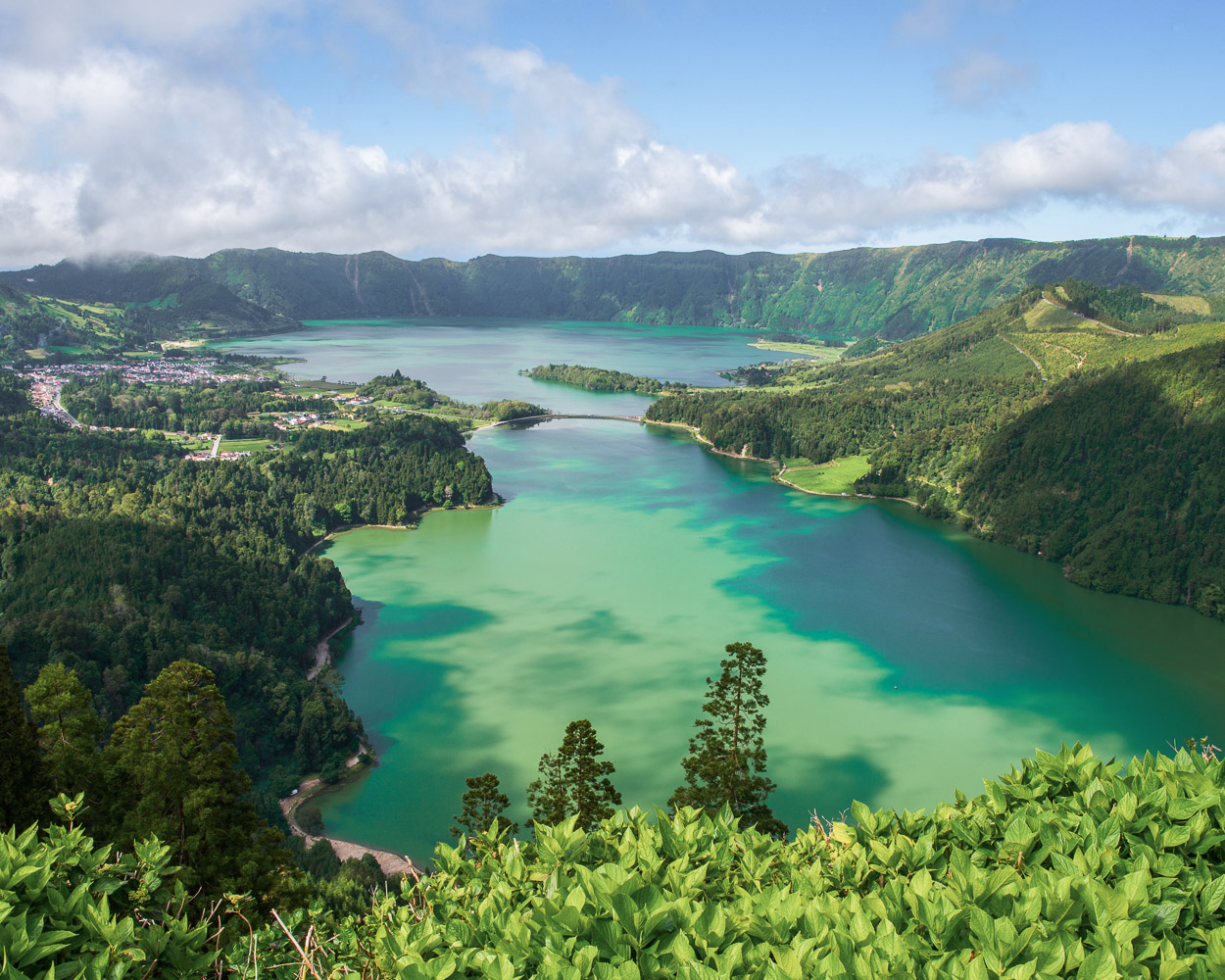
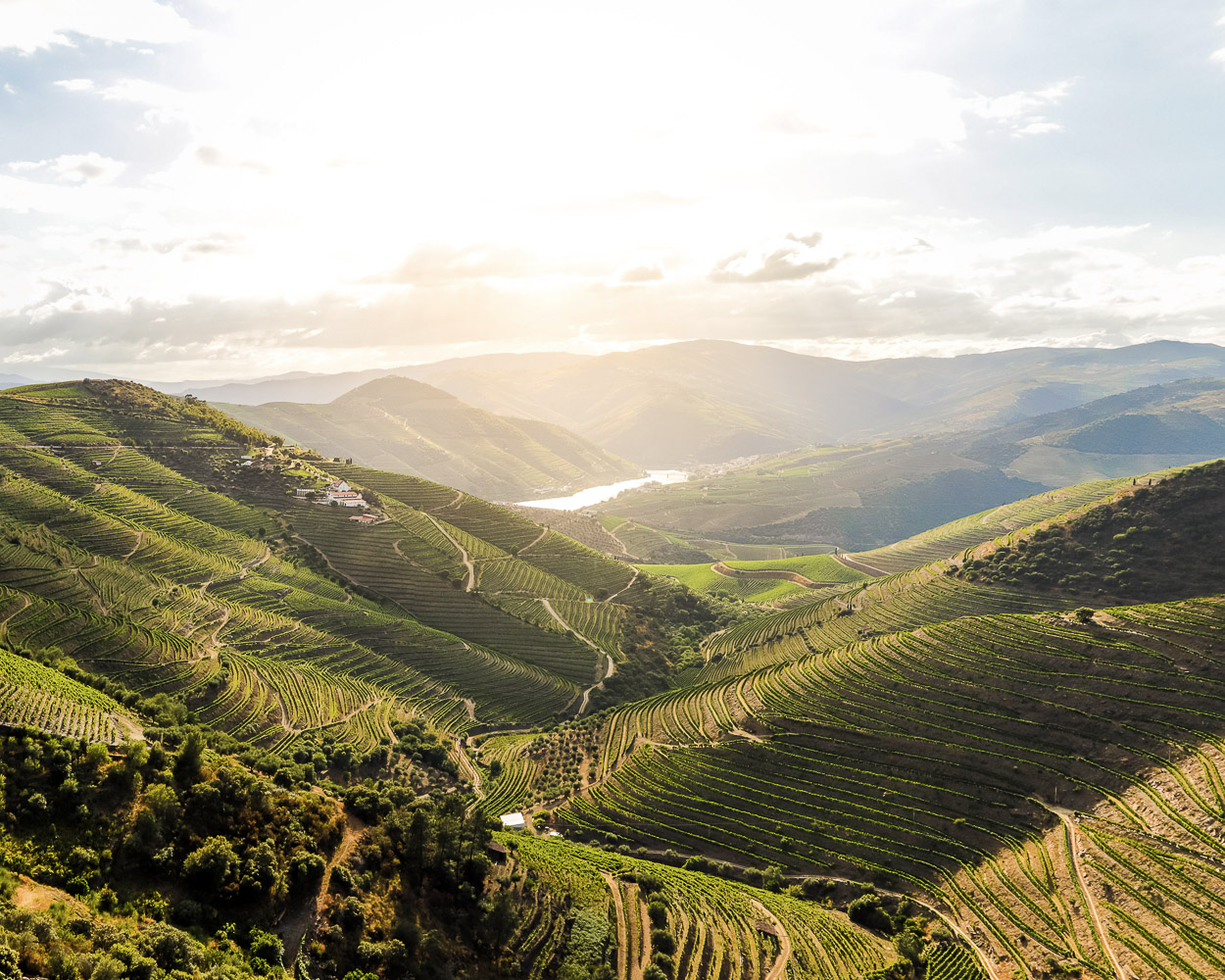
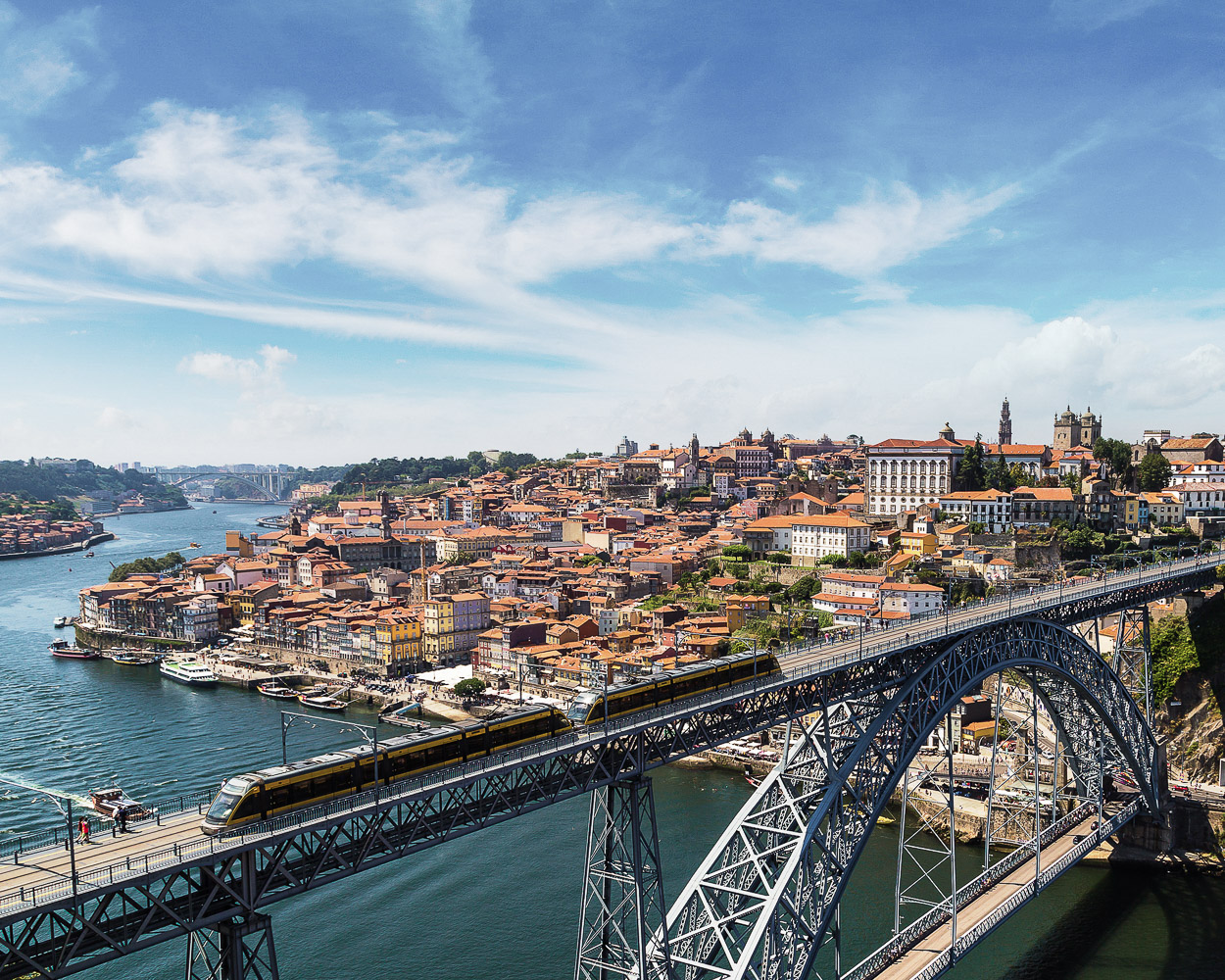
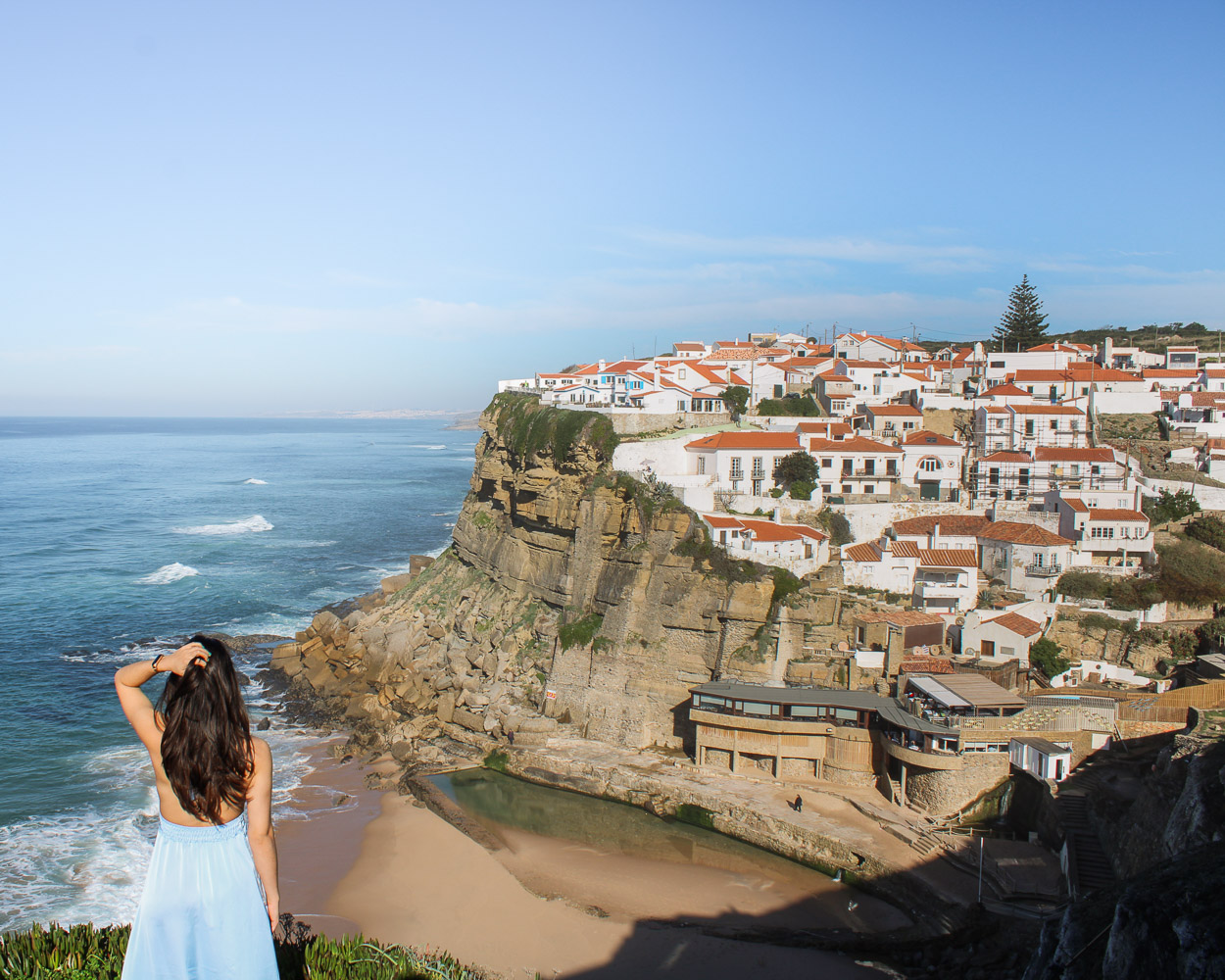
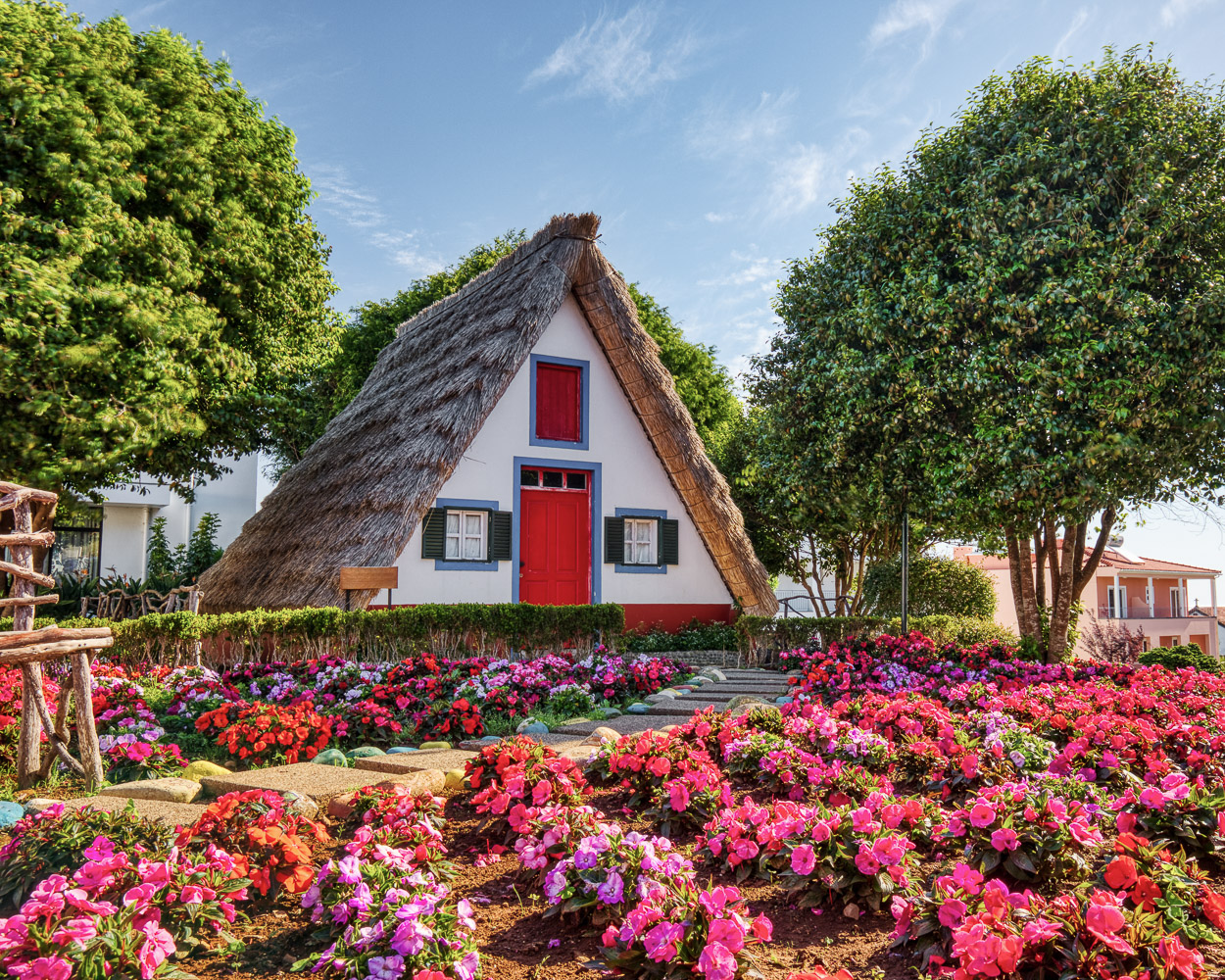
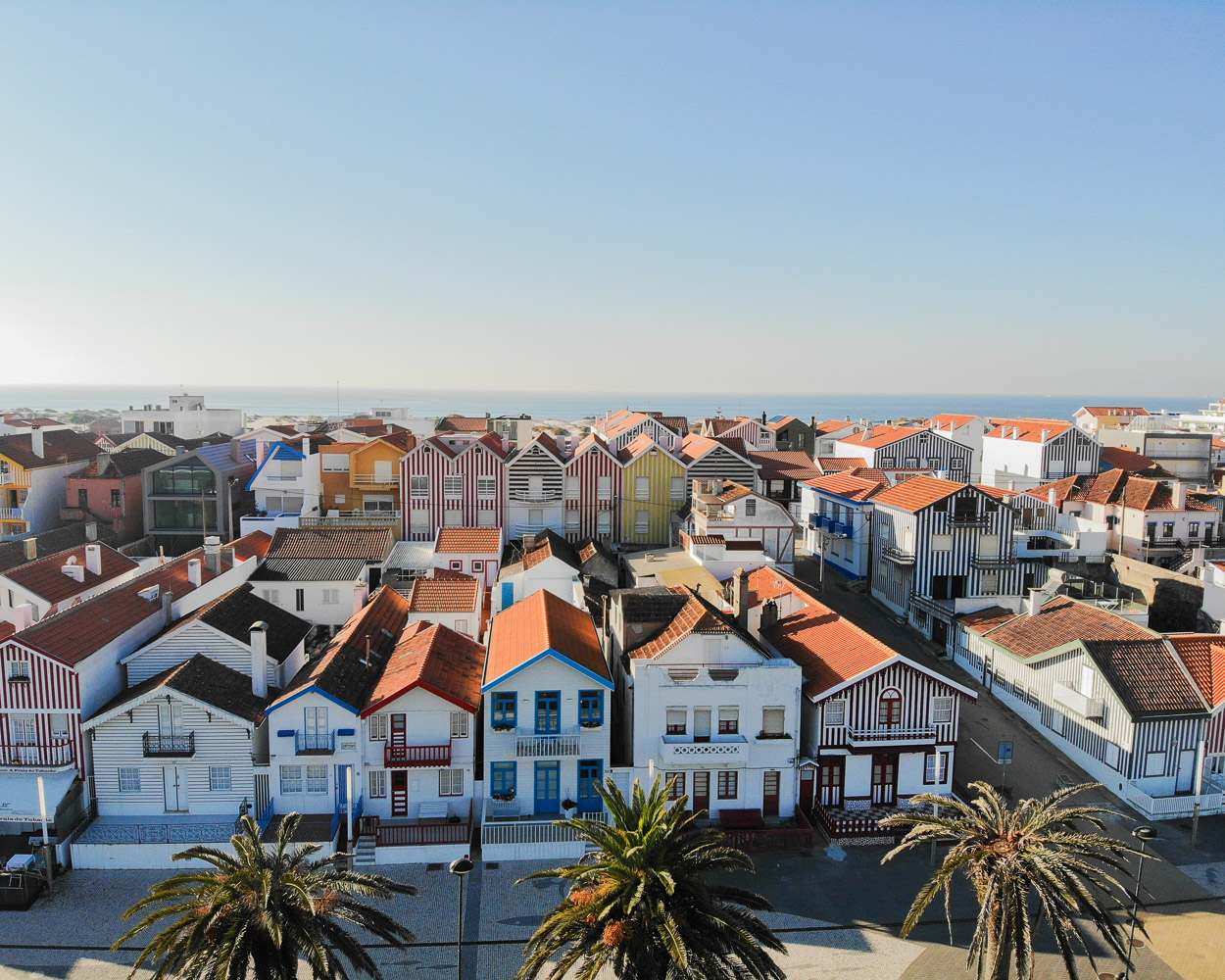
Officially known as the Portuguese Republic, Portugal is one of the oldest countries in the world, and despite its relatively small size, it has a wide variety of landscapes and a lot to see and do. It is mostly known for its two largest cities and cultural centres – Lisbon and Porto – as well as the Algarve, a popular Summer holiday destination. Other, less popular but still relevant locations include the Portuguese university city of Coimbra, the world-renowned Catholic pilgrimage site of Fátima, the beautiful, winding vineyards of the Douro Valley, and the breathtaking Autonomous Regions of Azores and Madeira.
It’s chosen by many as a prime destination for beach holidays, health retreats, surfing and golfing, and it is also known for its vibrant tiles, Fado (a profoundly melancholic, expressive, and soulful vocal music) and for having one of the best cuisines in the world – pastéis de nata, bacalhau (codfish) prepared in countless ways, francesinha, and, of course, the world-famous Port wine.
As someone who was born and raised in Portugal until my 20s, I am certainly biased, but have a lot of insight into the country!
Below you can find out more about Portugal and how to travel it.
Disclaimer: this post may contain affiliate links, meaning I will get a commission if you make a purchase through these links, at no extra cost to you. This allows me to receive compensation for the time and effort invested in creating the best content for you. Thank you for your support!
Located in Western Europe (UTC+0), mainland Portugal is bordered by only one country: Spain to the north and east, with the Atlantic Ocean to the west and south. With an area of approximately 92,212km², its total area is actually larger than that (approximately 92,226km²), due to Portugal’s autonomous regions across the Atlantic Ocean: the Azores and Madeira.
With a population of about 10.75 million (2024 estimate), Portugal is overwhelmingly Christian (Catholic), though religious practice has been declining over the years. According to the 2021 Census, about 14% of the population considered themselves of no religion, and less than 1% (specifically 0.42% Muslim) belonged to non-Christian faiths. The official language is Portuguese.
Portuguese people are often viewed as reserved and melancholic due to their deep historical connection to saudade, where one feels a profound sense of longing, but they are actually quite warm, talkative and family-oriented, with hospitality and courtesy being extremely important to them (greeting people formally, offering food and wine to guests, and taking time to talk are just a few examples). They are also known for being resilient, valuing tradition and a slower pace of life, as well as being passionate and emotive, but extremely patriotic, especially when it comes to their food (like bacalhau or their charcuterie) and the country’s history and traditions.
The majority of mainland Portugal has a Mediterranean climate (Csa), with hot, dry summers and mild, rainy winters, dominating most of the south, centre, and interior of the country. However, there are some climate variations across different regions: from a more oceanic influence in the humid north and northwest, to a colder climate in the high altitudes of the Serra da Estrela, and even subtropical or mild oceanic climates in the autonomous regions of the Azores and Madeira.
The landscape in mainland Portugal is mostly defined by rolling plains and low hills in the south (Alentejo), with mountains and high plateaus found predominantly in the north and central regions (such as the Serra da Estrela). The west and south are defined by an extensive, varied coastline.
The currency used throughout all of Portugal, including the mainland and the autonomous regions of the Azores and Madeira, is the Euro (€ – EUR).
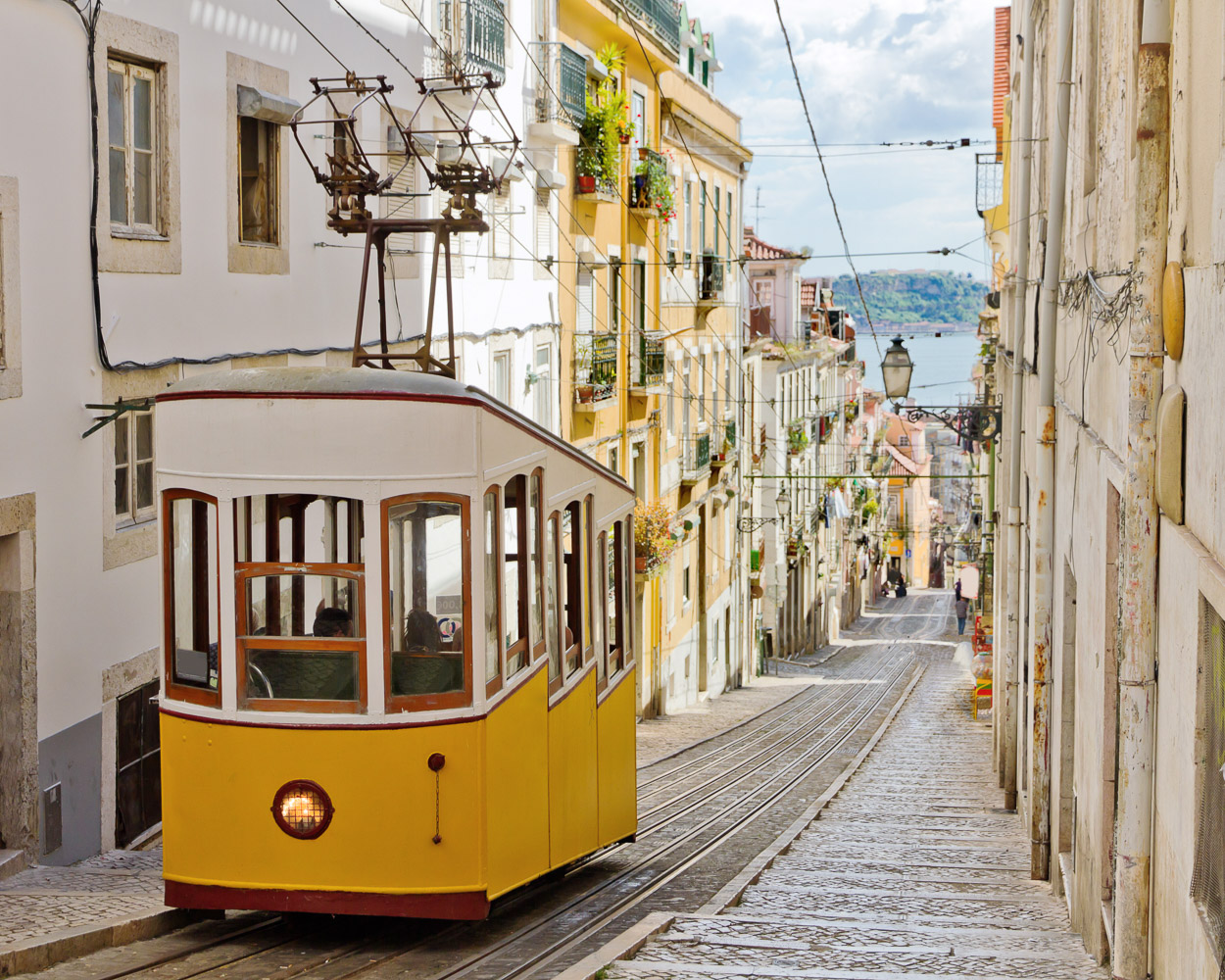
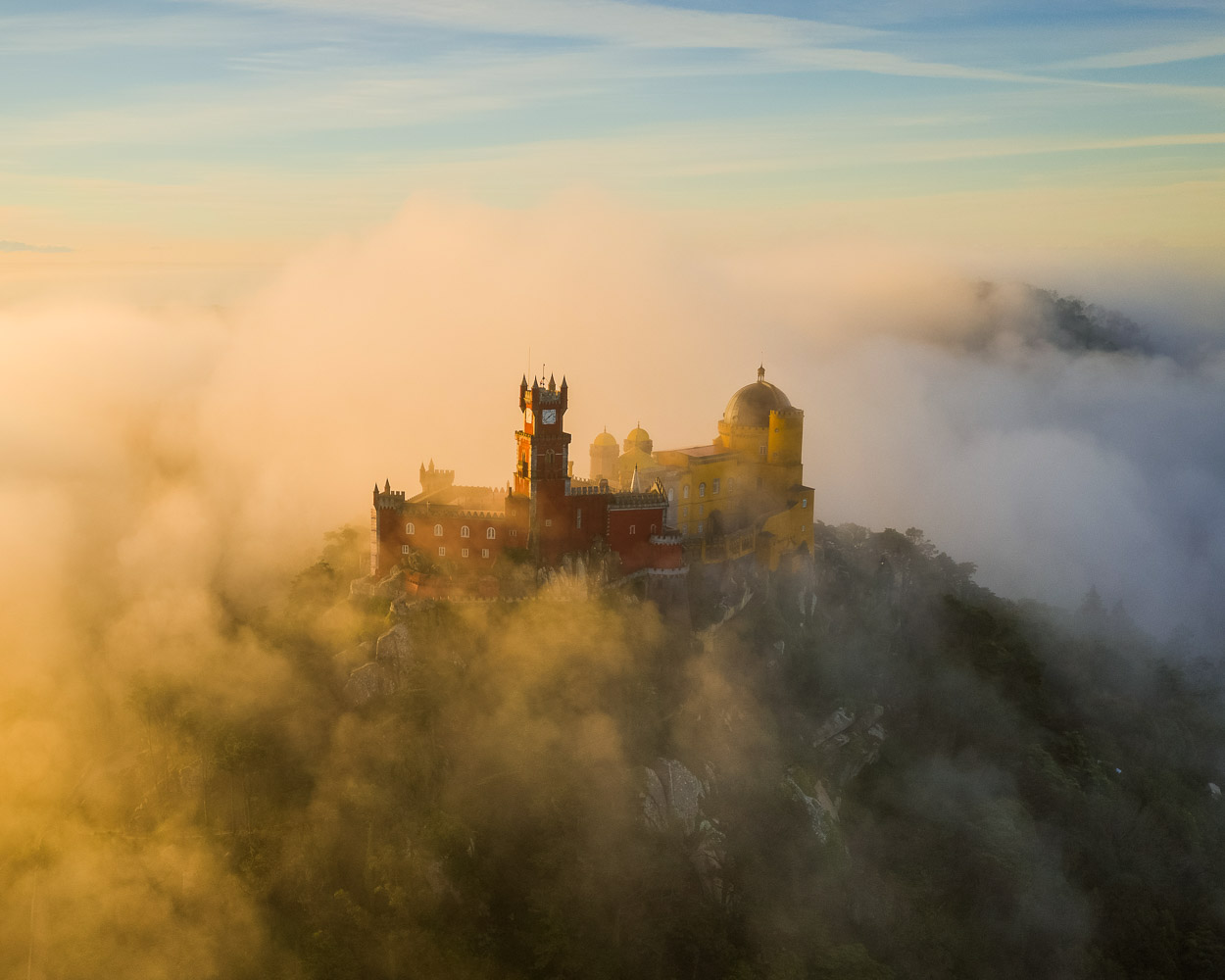
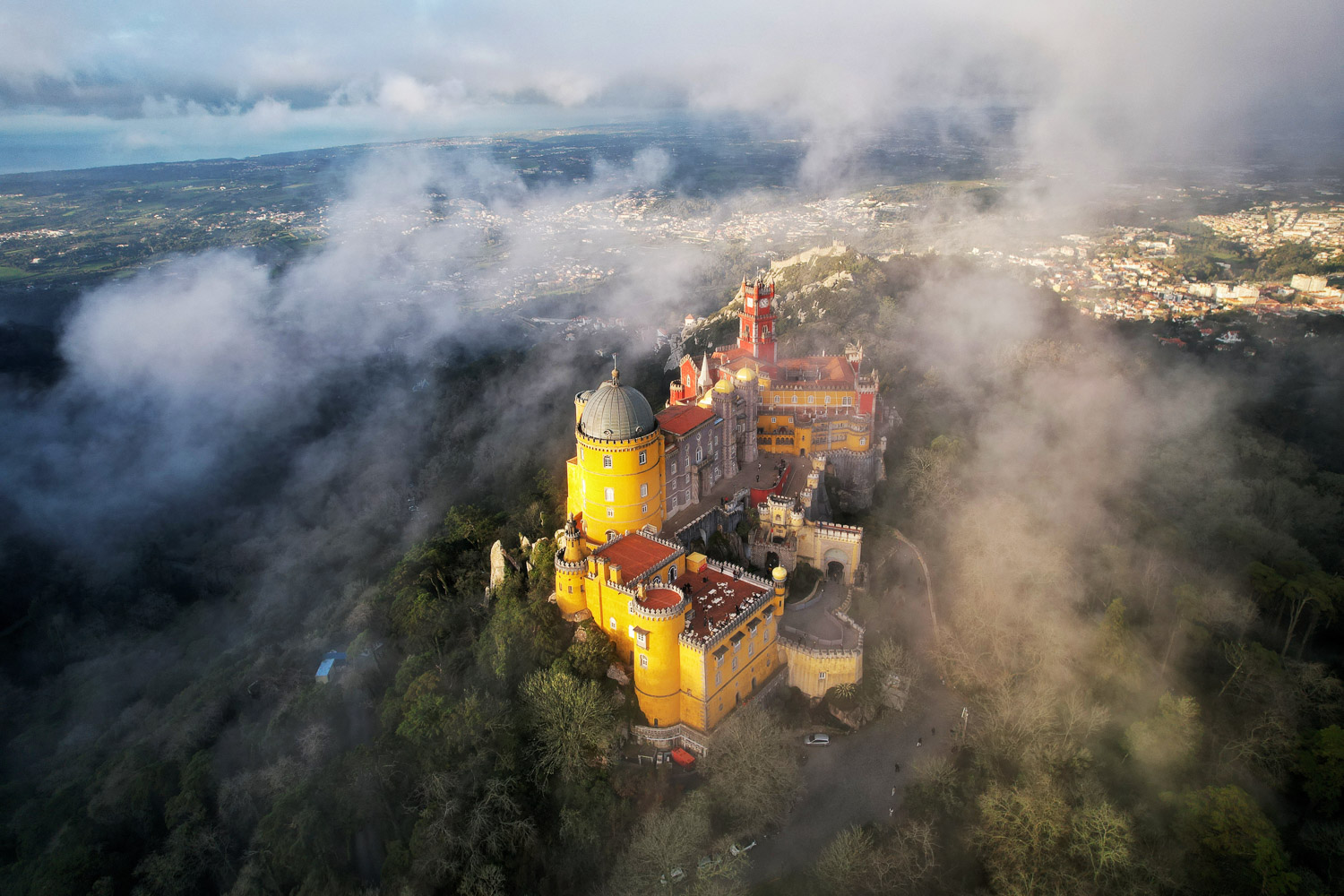
The capital of Portugal, Lisbon (Lisboa), is a major European centre and a worldwide known city, popular for its iconic landmarks such as the Belém Tower, the Jerónimos Monastery, vintage yellow tramways, and its many spectacular viewpoints (miradouros) and historic squares like Praça do Comércio. It is also a global centre for maritime history, Fado music, and distinctive architecture, featuring famous sites such as the Alfama district and São Jorge Castle. Nearby, you can find the charming historic town of Sintra, which offers a glimpse into Portuguese royal life and Romantic-era architecture.
It’s also worth noting that due to rising popularity over the years, Lisbon can be quite busy, highly touristy, pricey and overcrowded.
Complete Portugal Map
I am currently creating complete travel maps from all around the world, and Portugal is one of the next countries on the list. If you would like to get notified when I release this map, click the button below
Sign me up!
What to see and do in Portugal
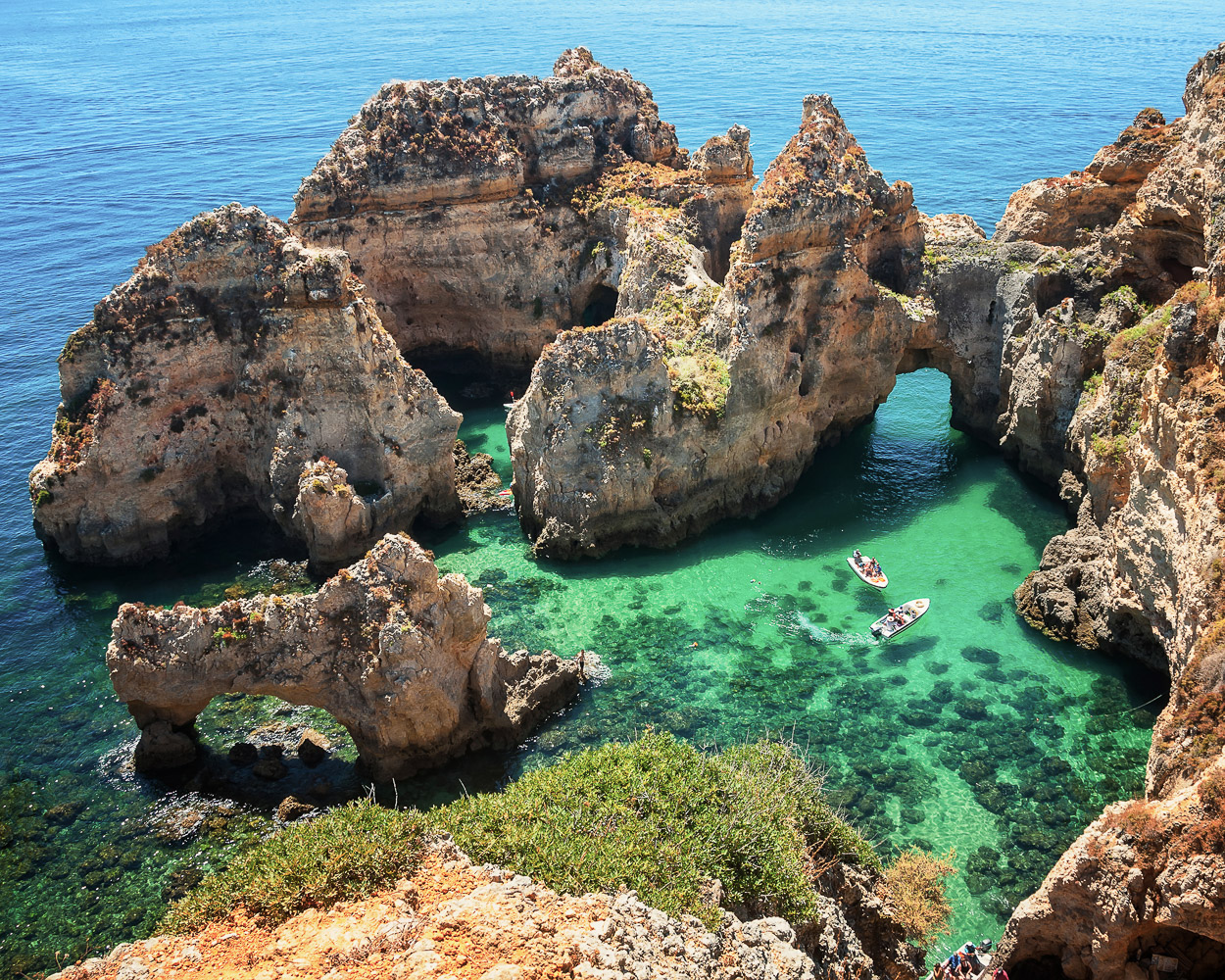
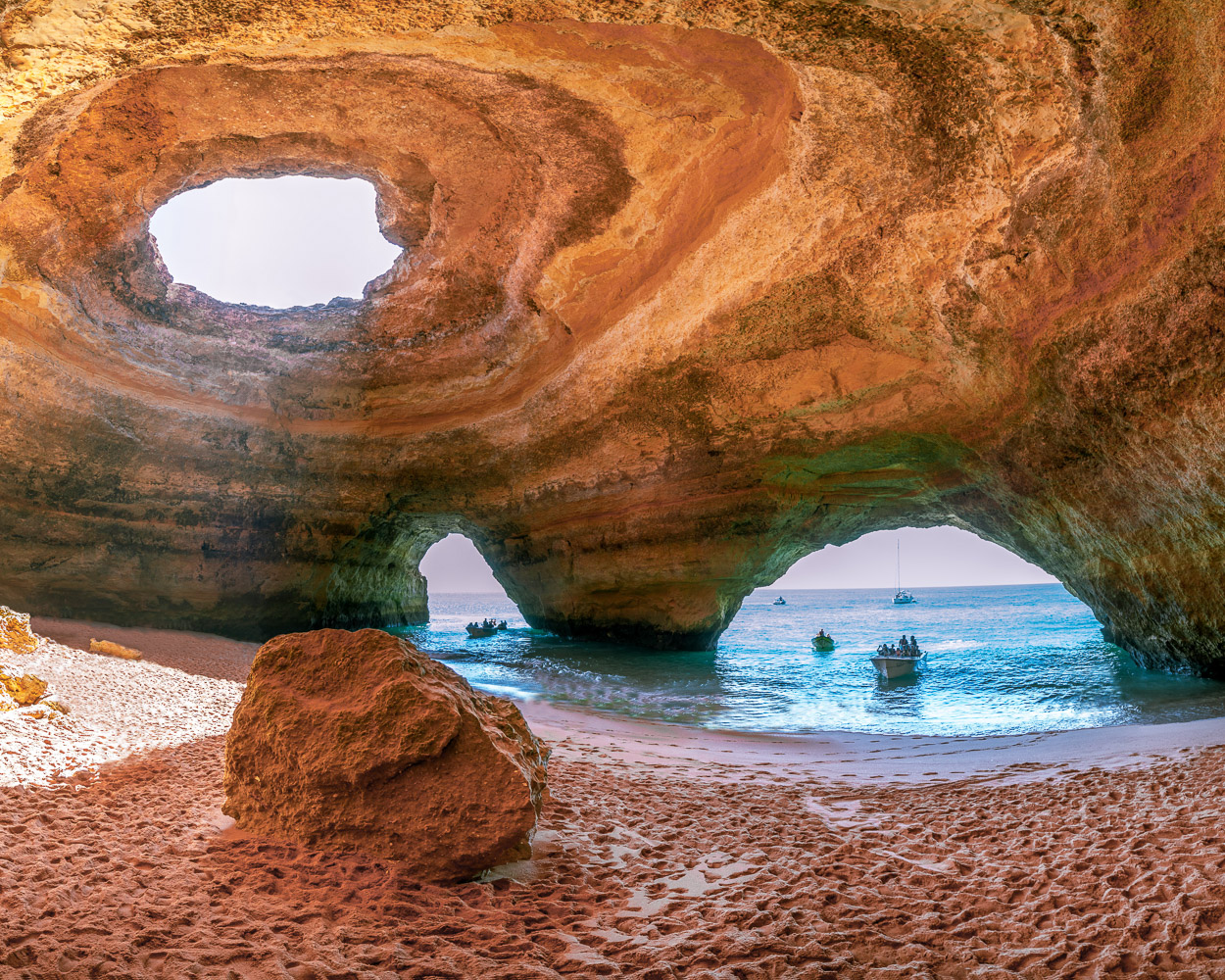
Portugal is a country with a lot to offer: beautiful beaches, dramatic cliffs, volcanic islands, historic villages and towns, vibrant cities, ancient castles, and so much more. It is especially popular amongst history, culture, food, and beach lovers and is often a place of choice for an Atlantic European getaway or a long-stay retirement.
Below you can find some guides on what to see and do in the country.
Where to Stay
Below you can find a map that will help you search for accommodation in Portugal. Change the dates, number of people, and budget accordingly, and if you’re looking for a place to stay outside of Lisbon, simply change the location. Alternatively, you can zoom out of the city and zoom in on the area that you’re looking for.
Know before you go
Best time to Visit
✓
Spring (April to Mid-June)
Spring is widely considered the best time to visit Portugal as the intense heat and the peak summer crowds haven't fully arrived yet. The weather is mild and sunny, perfect for sightseeing in cities like Lisbon and Porto, and the countryside is beautiful with blooming wildflowers, especially in the Alentejo plains. Note that prices jump slightly around the Easter holidays.
✓
Autumn (Mid-September to October)
Similar to Spring, Autumn is a shoulder season offering pleasant temperatures and fewer crowds than summer. It's the ideal time for wine and food lovers, coinciding with the grape harvest in the Douro Valley. The ocean is still warm enough for swimming in the Algarve until late October. November tends to be the wettest month, especially in the north.
✕
Summer (Mid-June to Mid-September)
While Summer offers reliably hot and sunny weather perfect for the coast and beaches, the major cities are crowded, and the heat can be extreme, often exceeding 30°C, particularly inland. July and August are the peak of the tourist season, meaning beaches in the Algarve and popular spots in Lisbon and Porto are packed, and prices are at their highest.
✕
Winter (November to March)
Winter in Portugal is generally mild and rainy on the coast (Lisbon, Porto) but rarely experiences snow (except at high altitudes). It is the perfect time for low crowds and lower prices in cultural cities, making it easy to visit museums and attractions. It is also the season for surfing on the large Atlantic swells, and the high season for skiing on the slopes of the Serra da Estrela (the only place with reliable snowfall).
Other things to consider
Despite being an extremely safe country and ranking consistently among the most peaceful nations globally, petty crimes are extremely common in major tourist cities like Lisbon and Porto, especially on crowded public transport. There are often organised groups that target tourists, scamming them, using distractions to commit pickpocketing and snatching bags, phones, and wallets. It is essential to be highly vigilant in busy spots like train stations, the Alfama district, and popular attractions.
Driving in Portugal is generally considered straightforward, but it certainly presents its own set of challenges, particularly in major urban centers like Lisbon and Porto. From heavy traffic, lack of parking, and confusing restricted traffic zones (Zonas de Acesso Condicionado – ZACs), to navigating countless narrow, steep, and winding cobbled streets in historic areas, driving in major cities can be very stressful and expensive.
However, navigating between towns and cities is much easier thanks to a network of (somewhat pricey) well-maintained toll motorways (Autoestradas) – electronic tolls are often used to pay for them.
If avoiding toll motorways, scenic national and secondary roads can be used, and although being less well-maintained and winding, driving shouldn’t be a problem, as long as you adjust your speed. Just like any other country, rural, more remote areas may feature narrow, less well-maintained roads.
Ultimately, Portugal is excellent for a scenic road trip, but travelers are strongly advised to use the reliable public transportation when commuting within major cities.
What to pack for Portugal
What to pack for Portugal will depend on where exactly you’re traveling to (the Azores or Madeira islands, the Algarve coast, a historic city like Lisbon or Porto, the mountains of Serra da Estrela, etc.) and what sort of trip you’re doing (city sightseeing, surfing, vineyard tours, volcanic hiking, sunbathing, or winter layering).
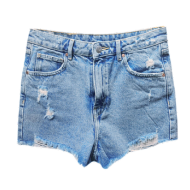
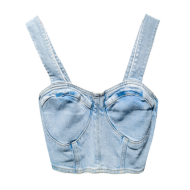
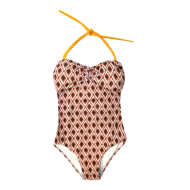
Below you can find all of my travel essentials (pretty much everything I use for my trips), suggested outfits, and even a packing checklist to help you remember everything you need.



Clothing
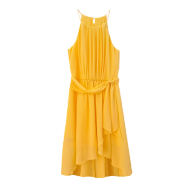
▇ T-shirts / Shirts / Blouses / Tops
▇ Sweaters
▇ Light jackets / Coat / Rain Coat
▇ Swimwear (Bikini / Swimming suits / Swimwear cover / Shorts)
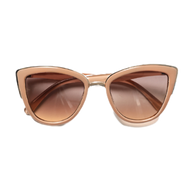
▇ Accessories (Jewelry / Ties / Suspenders / Glasses / Hats / Belts / Gloves / Scarves)
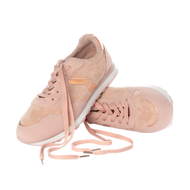
▇ Footwear (Shoes / Trainers / Boots / Waterproof hiking shoes / Sandals / Flip flops / Slippers)
Electronics
▇ Watch
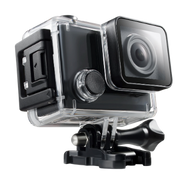
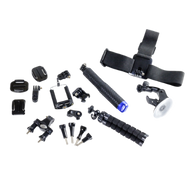
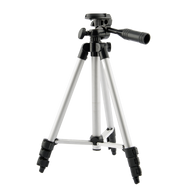
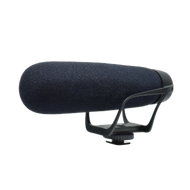
▇ Cameras (mirrorless, DSLR, action camera, 360, Polaroid…)
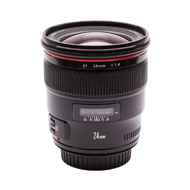
▇ Camera lens (portrait, wide lens, zoom…)
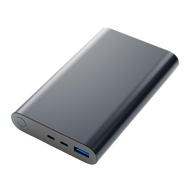
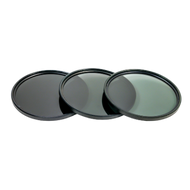
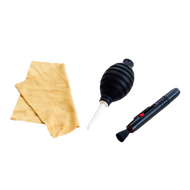
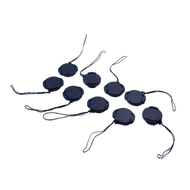
▇ Camera accessories (cleaning kit, batteries, extra lens caps, memory cards, filters, dome for underwater photos…)
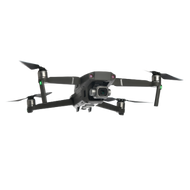
▇ Drone
▇ Drone accessories (extra propellers, lipo bag, batteries, filters…)
▇ Earphones / Headphones
Toiletries
▇ Toothbrush, toothpaste and dental floss
▇ Hairdryer / Hairstraightner / Curling iron
▇ Nail clipper and Tweezer
▇ Headbands / Hair ties / Hair clips
▇ Shaving utensils (razors, brush, epilator/electric shaver…)
▇ Travel-sized shower products (shower gel, shampoo, conditioner, hair mask…)
▇ Travel-sized hygiene, self-care and beauty products (travel bottles set, cotton buds, hand sanitizer, deodorant, perfume, sunscreen, lip balm, makeup and makeup remover, hair styling products, hair oil, shaving cream and aftershave, nail polish, nail polish remover and pads, moisturizer…)
▇ Contact lenses (Case / Solution)
▇ Feminine hygiene products (panty liners, pads, tampons, menstrual cup, intimate wipes…)
▇ Mirror
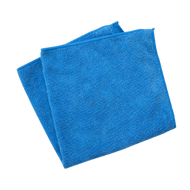
▇ Towels (beach towel, microfiber towel…)
Documentation
▇ Wallet (Debit and Credit Cards / Cash)
▇ Passport / Visa / ID Card / Driver’s Licence
▇ Boarding Pass / Tickets and Reservation Confirmations
▇ Vaccination Documentation
▇ Medical Prescriptions
▇ Travel Insurance / Medical Card
▇ Drone Documentation
Miscellaneous
▇ Umbrella
▇ Keys / Luggage lock
▇ Earplugs / Travel pillow / Sleep mask
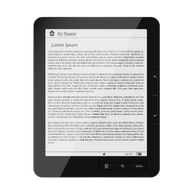
▇ Book / Kindle / Travel games
▇ Guidebook / Itinerary / Map / Agenda / Notepad
▇ Workout equipment (resistance bands, suspension trainer…)
▇ Vitamins, Medication and Contraception
▇ First aid kit (regular and blister pads, wound spray, pain killers, bandages…)
▇ Snacks
▇ Hiking / Camping gear (hydration pack, tent, sleeping bag, mattress, cooking utensils, flashlight, binoculars, insect repellent…)
Plan your trip to Portugal
A page with everything you need to plan a smooth and safe trip





Portugal Series on YouTube
I’ve posted some videos from my time in Portugal on YouTube, so if you’re interested, check the playlist below. You can find all of them by clicking on the list symbol on the top right corner of the video below (next to “share”)
0
