


Brazil
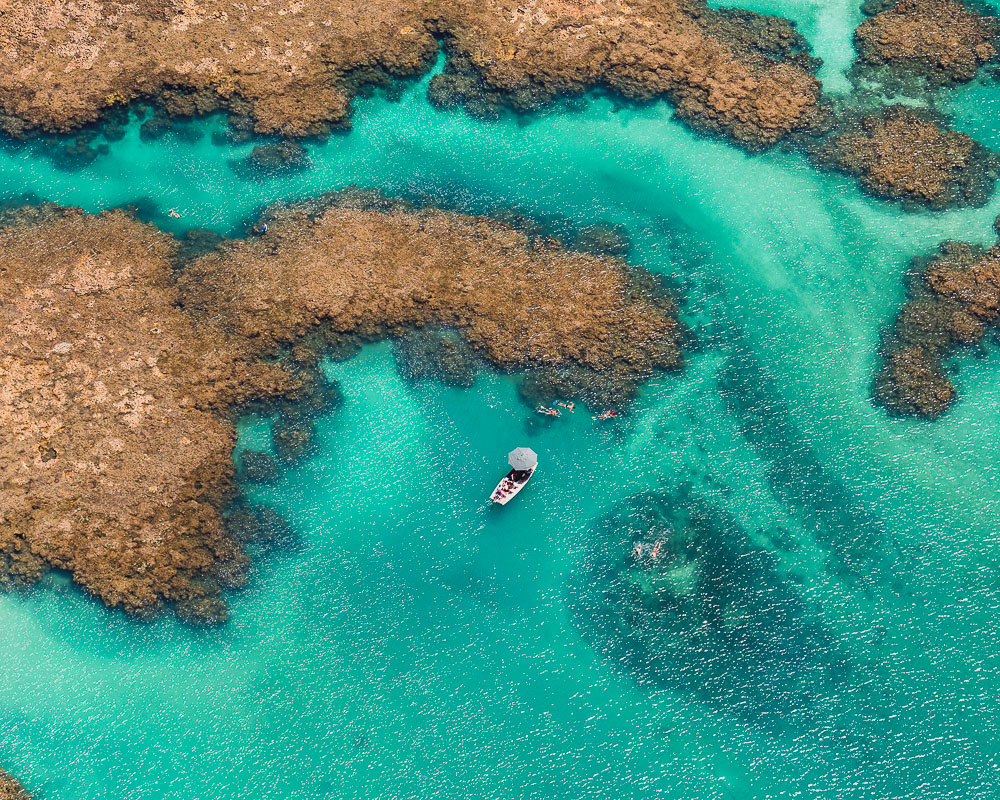
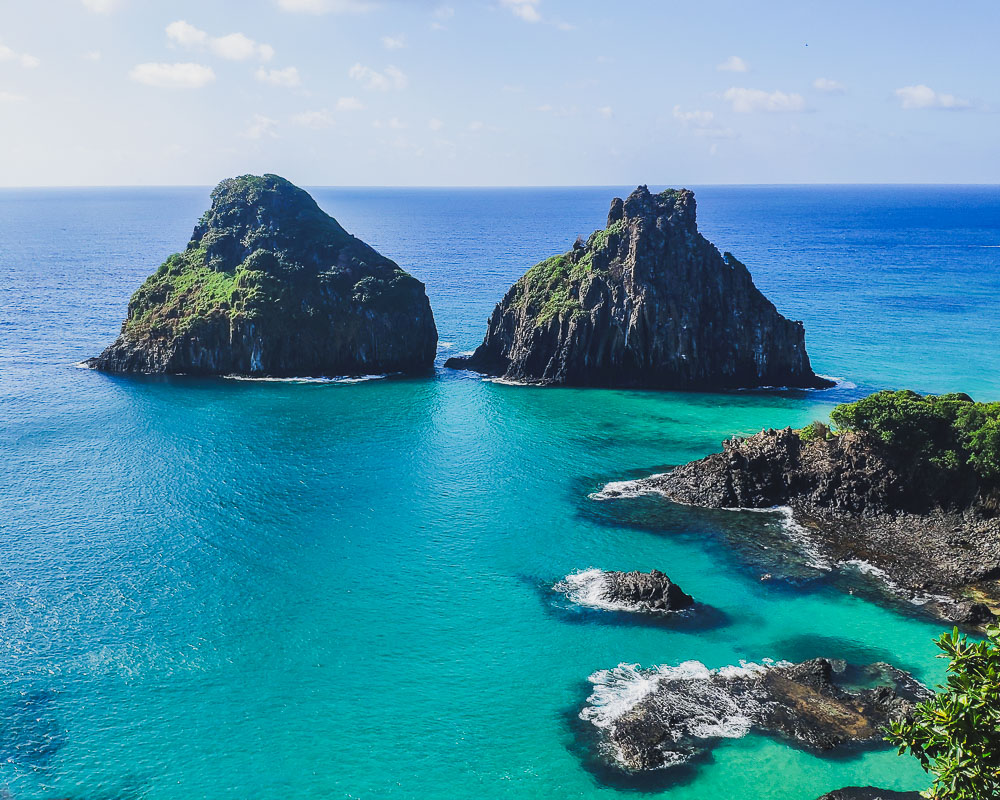
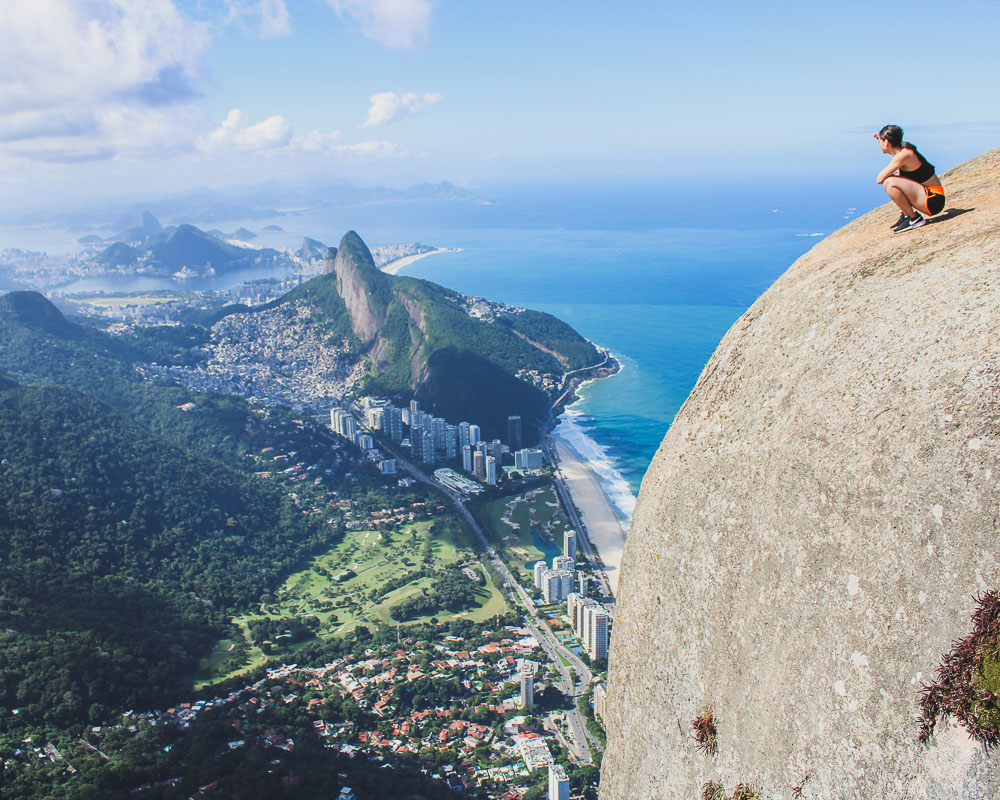
Officially known as the Federative Republic of Brazil, it is the largest country of all South America and one with a lot to offer: from incredible tropical beaches to busy, bustling cities and a lot of Nature to explore. Brazilians are known for being outgoing, warm-hearted and extremely friendly. On top of that, Brazil is also a budget-friendly paradise, where you can stay at 5-star hotels for an extremely low price and where food is super tasty and cheap.
Below you can find out more about the country and how to travel it.
Disclaimer: this page may contain affiliate links, meaning I will get a commission if you make a purchase or reservation through these links, at no extra cost to you. This allows me to receive compensation for the time and effort invested in creating the best content for you. Thank you for your support!
Located in the east of South America, Brazil is the largest country in the continent, spanning across 4 standard time zones (UTC−2, UTC−3, UTC−4 and UTC−5). It is bordered by 10 other countries: French Guiana, Suriname, Guyana and Venezuela to the north, Colombia to the northwest, Peru, Bolivia and Paraguay to the west, Argentina to the southwest and Uruguay to the south. This means that every country in South America, with the exception of Ecuador and Chile, borders Brazil. The east of the country is bathed by the South Atlantic Ocean, offering incredible beaches and seaside cities like Rio de Janeiro.
Because of its size (8,515,767 km2), and the large amount of natural areas (such as mountains, forests, plateaus and even desert) Brazil is a country where road tripping can be limiting – in order to see much of it, you will most likely have to take on flights since it is possible to literally take days to commute from point A to point B. For nature lovers, for example, you could easily spend months around the country and still not see it all.
Being the 7th most populous country in the world, with a population of about 200 million (2022 estimate), Brazil is a mostly Christian country (almost 89%), around 65% being Roman Catholics and 22% Protestants. It is also one of the most diverse countries due to its high rate of immigration.
The official language is Brazilian Portuguese, which has a very distinctive accent and many different words and expressions compared to Portuguese from Portugal (similar to American English and British English). In many parts of the country, you might struggle finding people who speak English.
Brazilians are known for being positive, outgoing, loud, warm and kind hearted, but it is also important to be aware that the country experiences great social inequality, which has led to large levels of corruption and crime.
Due to its large size, Brazil has a great variety of landscapes and weather conditions. Most of its climate is considered tropical, but there are different climate and microclimate types across the country (about 11), and you can even see snow in Southern Brazil, in the highlands of Santa Catarina and Rio Grande do Sul.
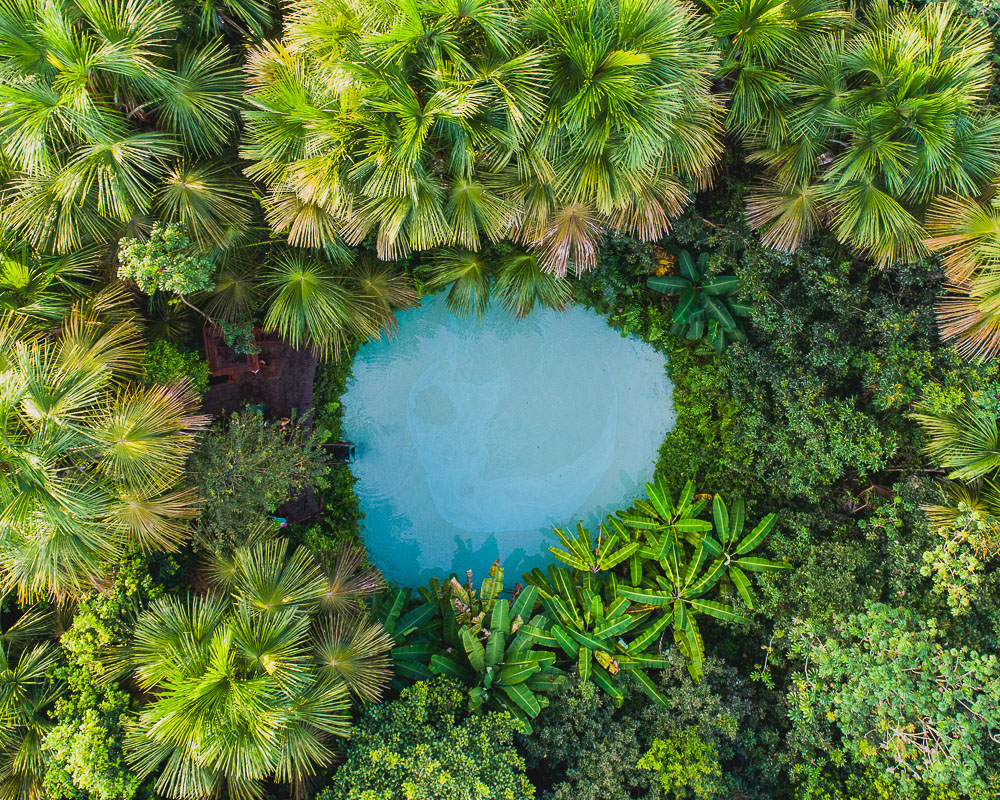
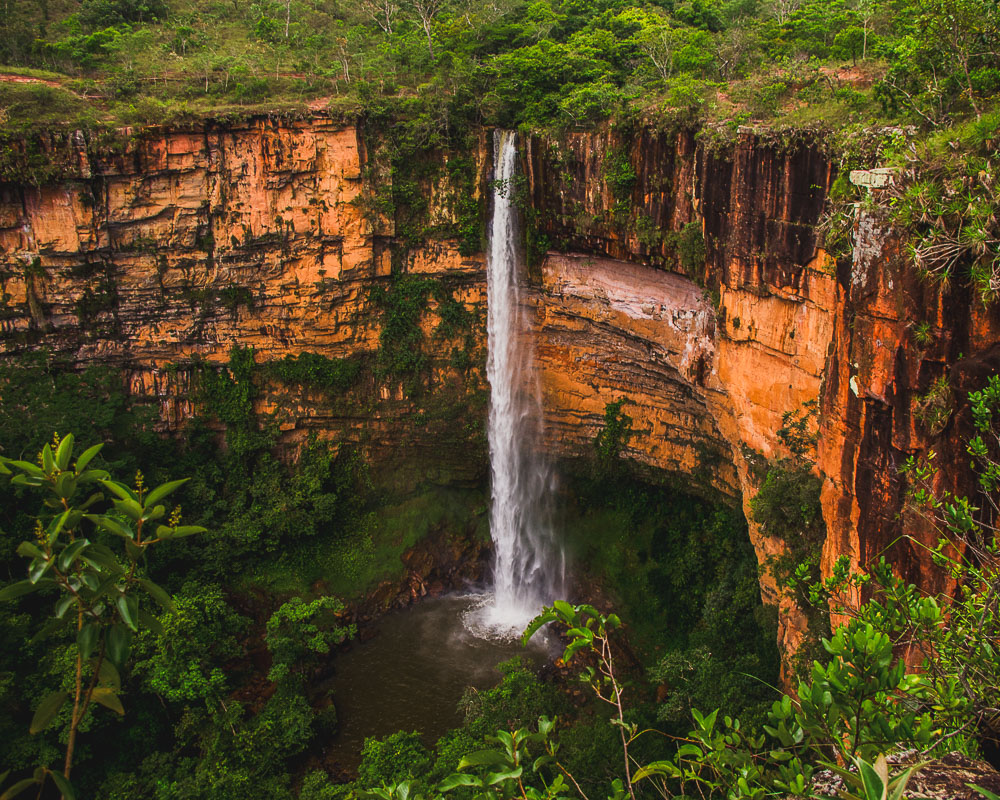
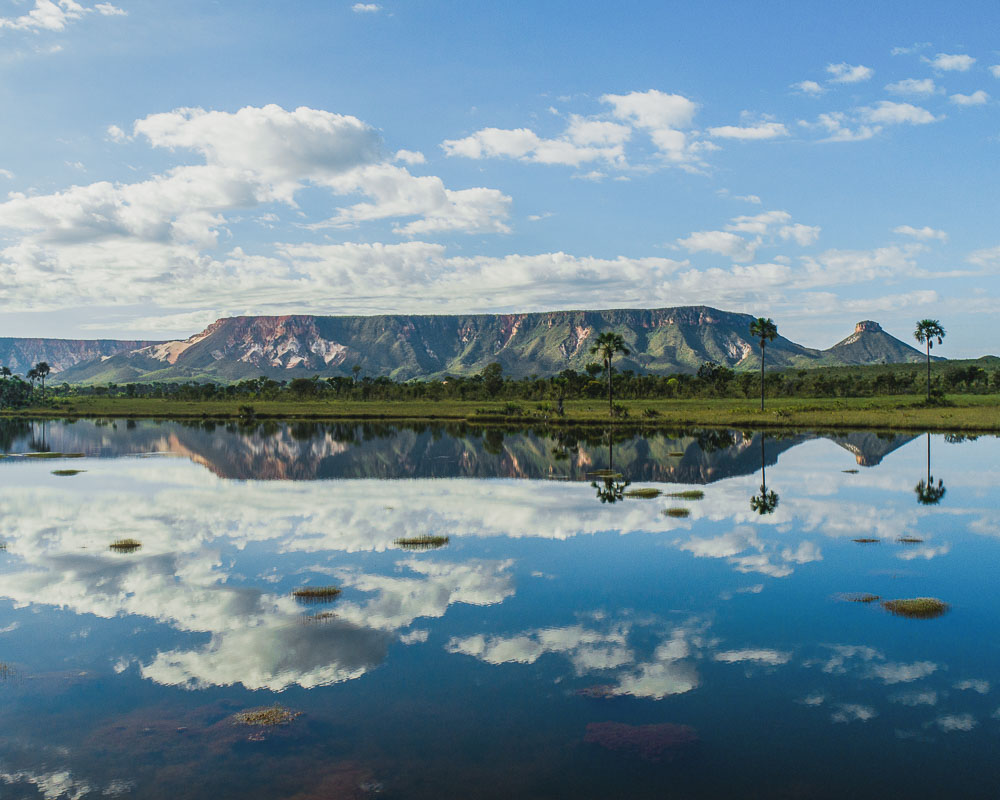
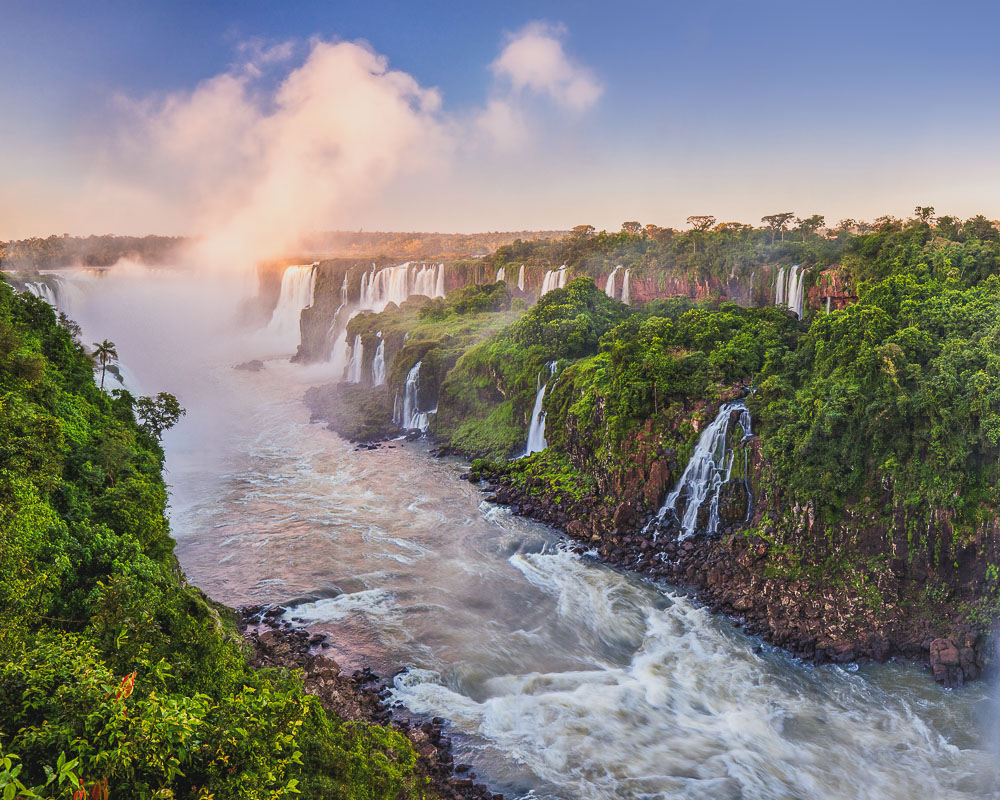
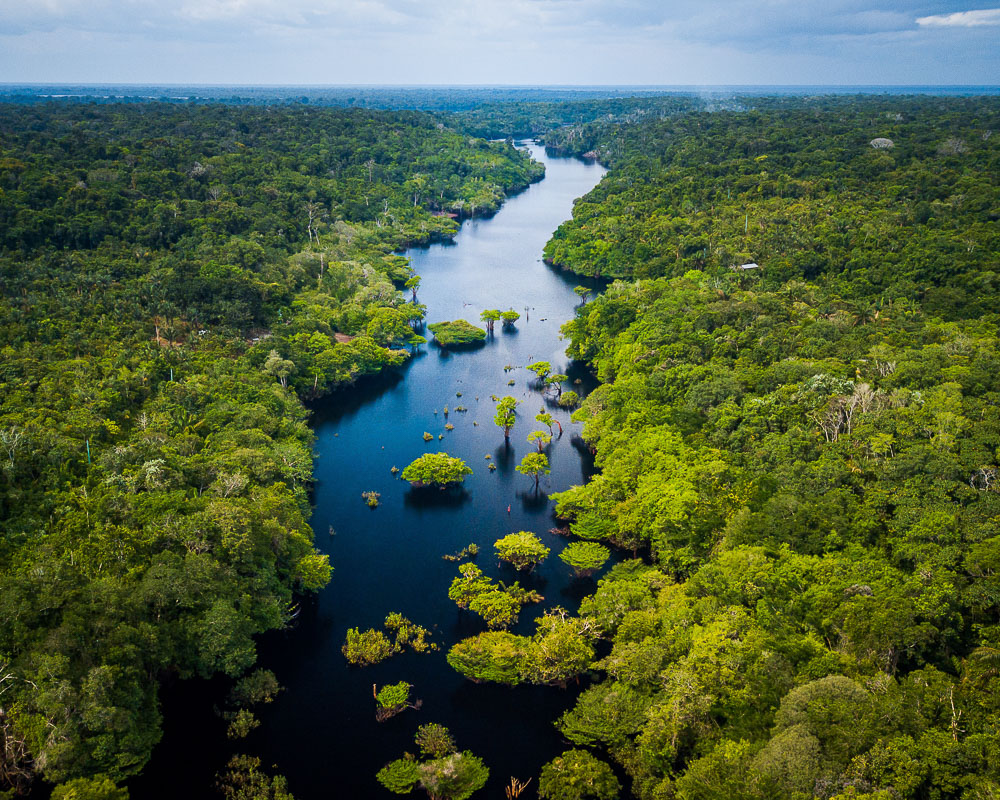
Expect to see vast plains and high mountains, beautiful waterfalls, dense forests and long rivers. The great variety of landscapes is one of the reasons why Brazil is, in my opinion, one of the most beautiful countries on our planet.
The currency used in Brazil is the Brazilian real (R$).
The capital of Brazil is one many people get wrong. Despite their popularity and importance, it is neither Rio de Janeiro nor São Paulo, but Brasília. Unlike other countries, where their capital is a historical city and one of the top places to visit, Brasília was built between 1956-1960 to serve as Brazil’s administrative division, and as a cosmopolitan city, it lacks the charm and beauty that you can find in other places across the country – making it less appealing to tourists. Top things to do here include cultural activities such as visiting museums like MUSEU Nacional da República and Memorial JK as well as religious and interesting buildings like Cathedral of Brasília and Temple of Good Will.
Complete Brazil Map
I am currently creating complete travel maps from all around the world and Brazil is one of the next countries on the list. If you would like to get notified when I release this map, click the button below
Sign me up!
What to see and do in Brazil
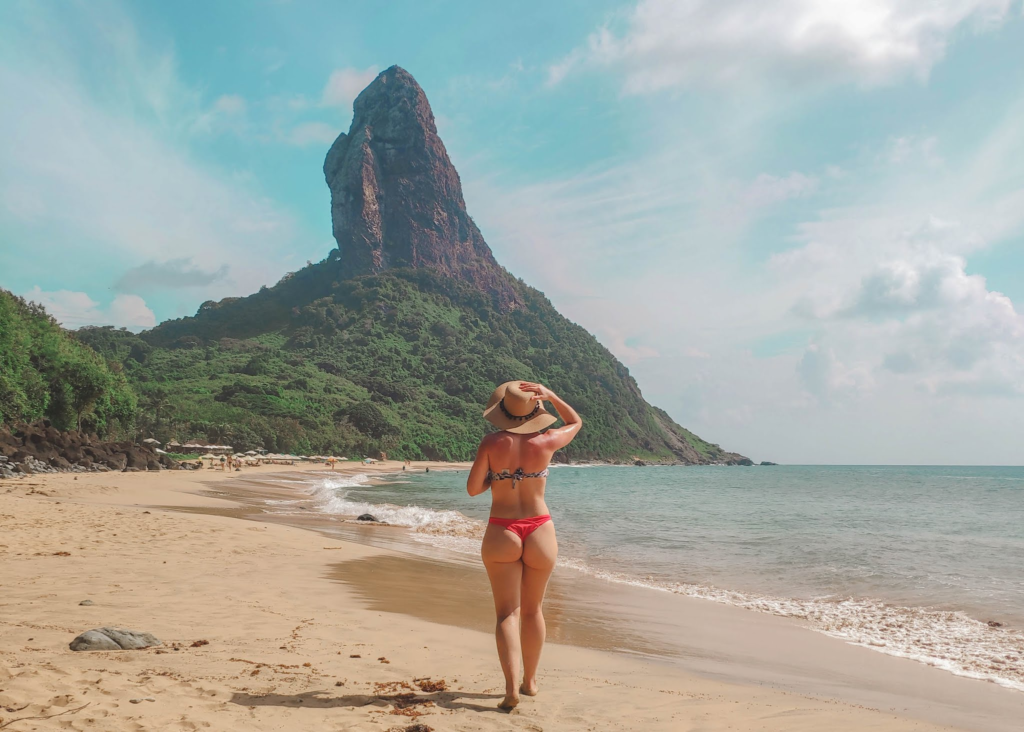
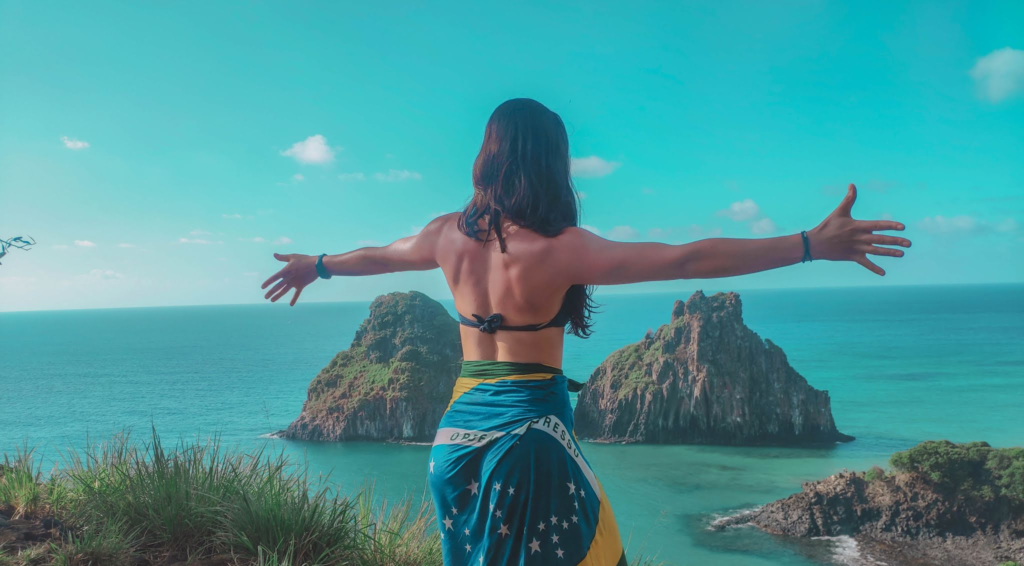
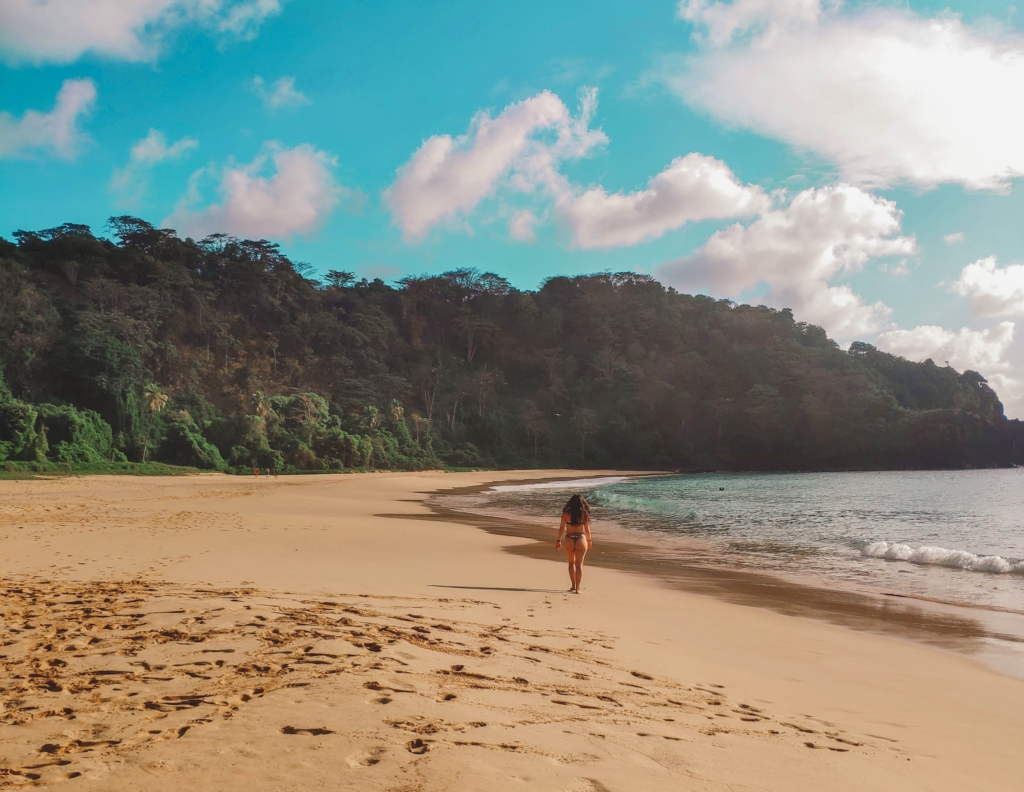
Brazil is an extraordinary country with a lot to offer: cheap high-end hotels, tropical beaches, breathtaking mountains, dense forests, incredible wildlife, great music, delicious food and positive, happy people. It is especially attractive to travelers who love Nature and Beach.
Despite becoming more and more popular amongst tourists, Brazil still has a lot of beautiful hidden gems if you’re looking to travel off the beaten path. Below you can find some guides on what to see and do in the country.
Where to Stay
On our trip to Brazil, we stayed at a few hotels that we absolutely loved and I highly recommend: Sítio Paraíso do Caju in Barreirinhas, Casa Frankie in São Luís and Boldro Surf House in Fernando de Noronha.
Below you can find a map that will help you search for accommodation in Brazil. Change the dates, number of people, and budget accordingly, and if you’re looking for a place to stay outside of Rio de Janeiro, simply change the location. Alternatively, you can zoom out of the city and zoom in on the area that you’re looking for.
Know before you go
Best time to Visit
Because of its large size, climate can vary from one location to another – which makes it harder to separate it by best and worse times to visit since it all comes down to where exactly you plan on visiting. This is especially true if you’re planning to visit places like the Amazon Jungle, Pantanal and Lençóis Maranhenses.
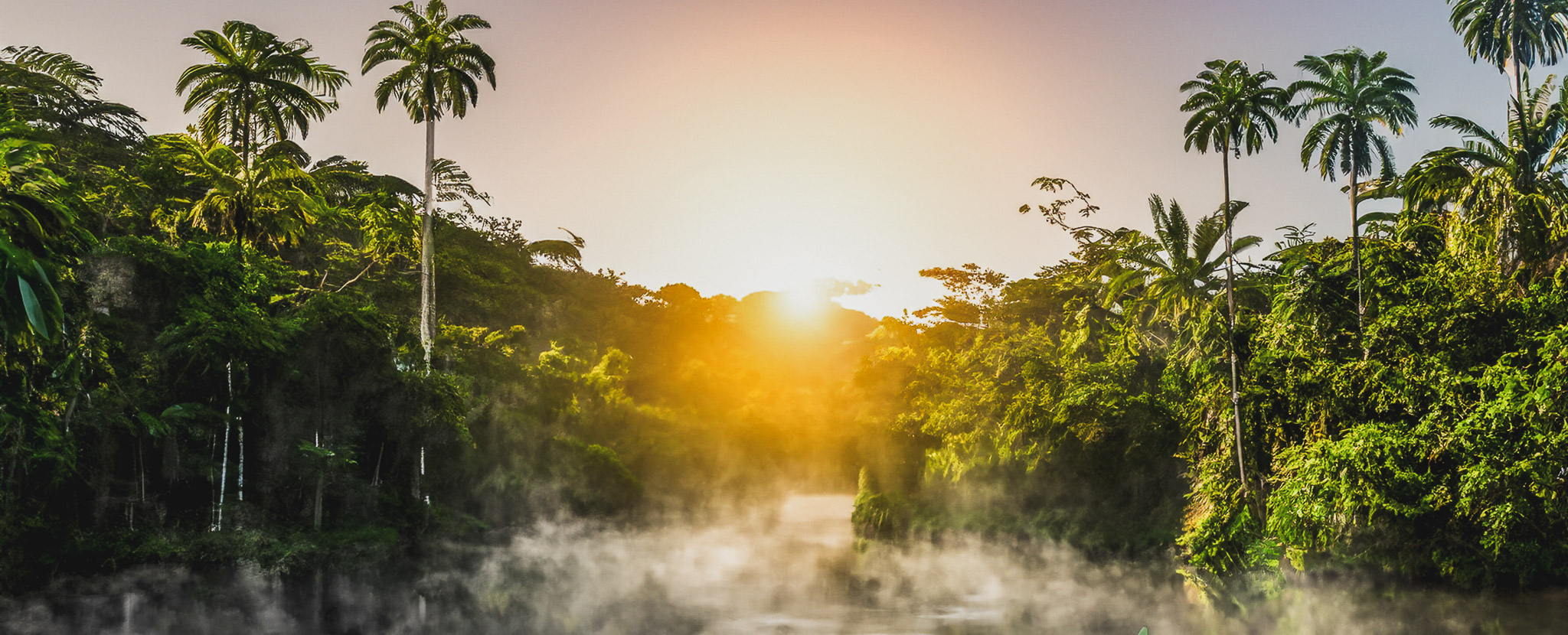
- Amazon Jungle – can be visited all year round as the weather conditions are relatively similar, despite the different dry and wet seasons. Expect it to be humid, hot and wet. Many consider the dry season (July-December) to be the best time to visit the Amazon Jungle, when there are fewer mosquitos, less chances of heavy rain (although it is still very much present) and visitors can hike. Rain season is throughout January-June and despite being less appealing to many, it is a great time to visit on boat and spot different kinds of wildlife.
- Pantanal – wet season in Pantanal happens between November and March, when temperatures are high, rain is intense, and animals retreat from the flooded areas – making wildlife watching extremely difficult. Due to this, dry season (April-October) is considered the best time to visit – when animals reappear and weather conditions are more bearable. That being said, it is often recommended to visit a little later into the dry season (July-October), when the large bodies of water have shrunk and become more scattered, attracting thirsty animals and thus increasing the likelihood of seeing wildlife, especially jaguars, which are particularly popular in Pantanal.
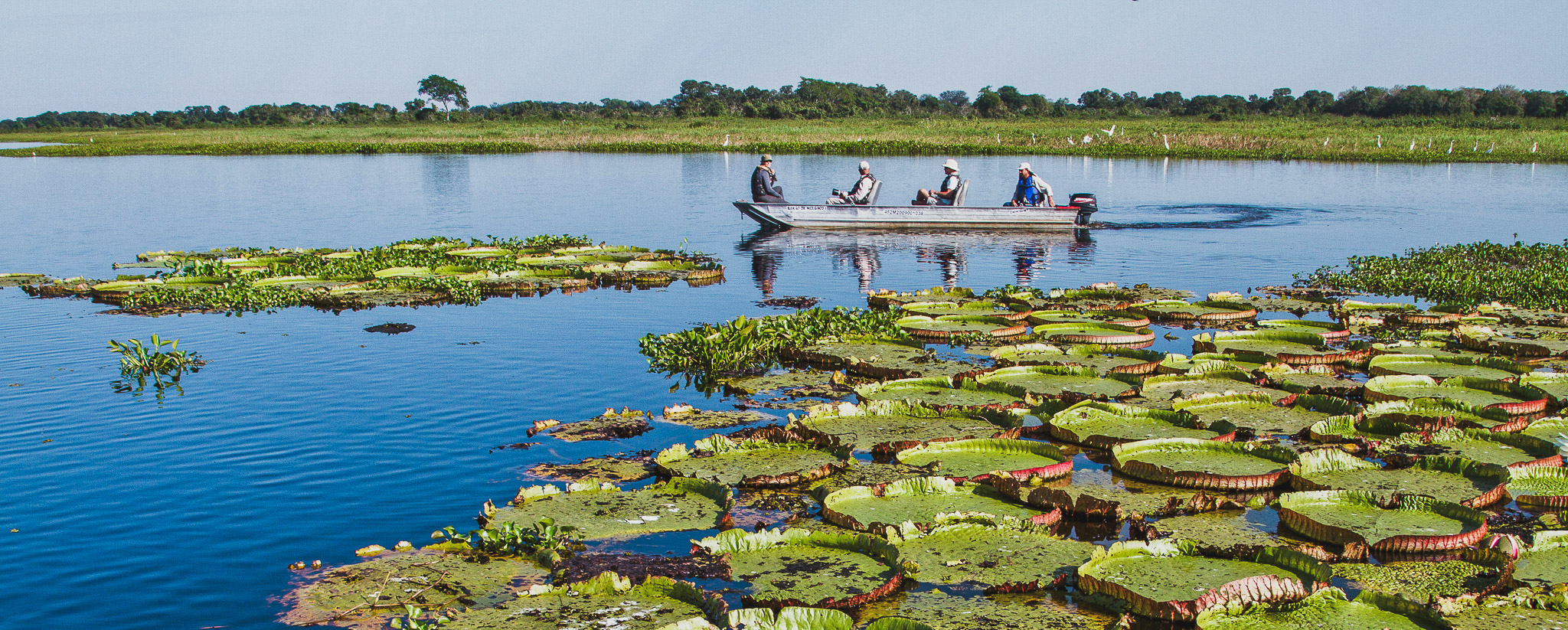
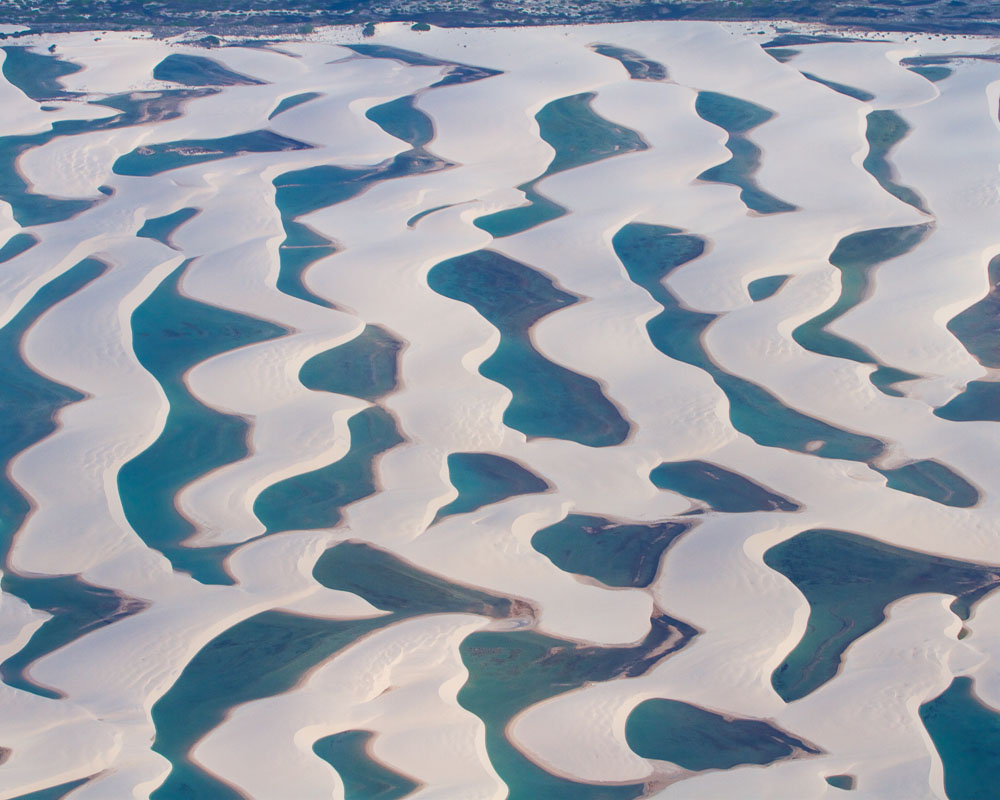
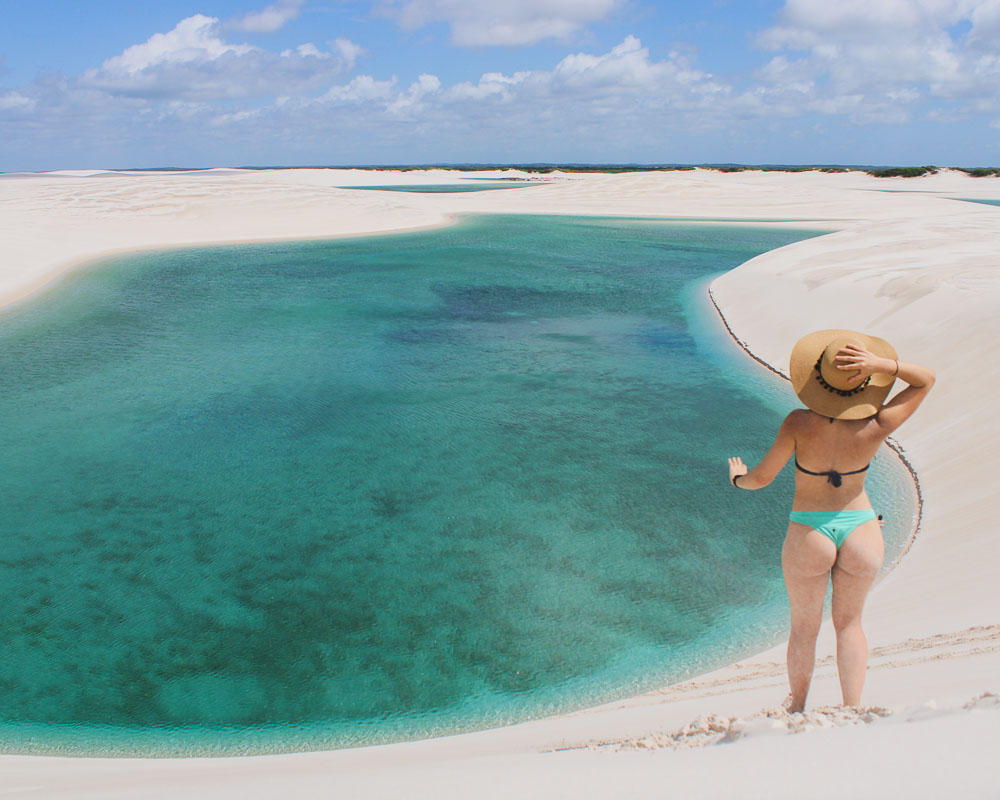
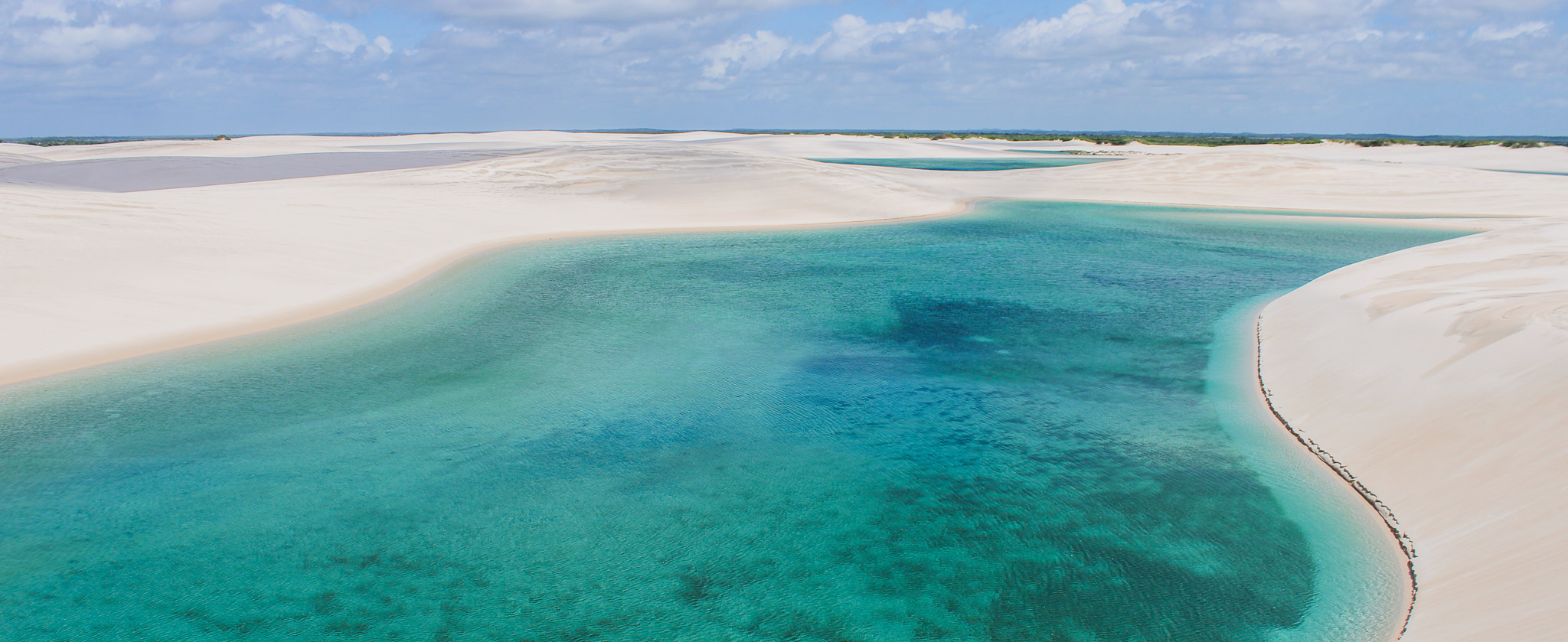
- Lençóis Maranhenses – similar to the Amazon and Pantanal, the conditions will change whether you visit Lençóis Maranhenses during the wet or dry season – except the concern here is not wildlife, but the beauty of the landscape. The desert area is filled with water during the wet season (January-May), forming beautiful crystal clear lagoons amongst the dunes that are unique to this area. Despite the dry season lasting from June-December, the ideal time to visit is straight after the wet season (May-September), when the rain has stopped but the lagoons are still visible.
That being said, if you’re visiting other parts of the country, there are a few rules that apply to most places.
✕
Summer and Festive Seasons (December-March)
While experiencing the Brazilian Carnaval (February-March) should be in the bucketlist of most travelers, this isn't the best season to visit if exploring the country - you can expect busy hotels, really high prices, crowded streets as well as higher levels of crime (especially petty crime). The same thing can be said for Christmas and New Year's, where many fly to Brazil to celebrate the festive seasons.
✓
Autumn and early Winter (April to July)
Low season in Brazil, with mild temperatures after the intense heat of Summer. Perfect for budget travelers and those who like to escape the crowds. Despite Winter starting at the end of June, July is also a great month to visit
✕
August
Often busy due to European holidaymakers. Temperatures are generally confortable and rain is not common, making it a perfect Summer destination - and in turn, a very busy one. Similar to the festive seasons, prices are high as demand for hotels, restaurant and tourist attractions increase.
✓
Spring (September-November)
Low season, between the busy month of August and just before the Festive seasons in December. Temperatures are a bit lower, but start to rise in November, leading up to Summer. Perfect for budget travelers and those who want to escape the crowds.
Other things to consider
While Brazil holds a special place in my heart, it is also one of the countries I visited with the highest corruption and crime levels – something you should definitely not ignore while visiting. It is true that you might not even encounter a situation where you feel unsafe, but many tourists have been mugged, threatened and even killed during their time in the country, so it’s important you keep your guard up and follow a few rules that will help you enjoy your time here as opposed to remember it as a bad memory:
- Do not walk alone at night, especially as a female. This is a rule that you should follow in many other countries, and Brazil is definitely no exception
- Do not walk around displaying your belongings. No matter how much you are used to doing so, do not walk around with your phone, watch, jewelry, camera gear and other belongings. If you decide to carry expensive gear, make sure to insure it, hide it in a non-flashy backpack and be prepared to give it away if robbed.
- Which takes me to the next point – Don’t be a hero. Always prioritise your life. No matter how expensive whatever someone is trying to take away from you is, it is never as valuable as your life. There is no room for haggling with muggers – just hand over whatever they ask from you, and go about your life
- Have a dummy wallet and phone – this might actually help you in case of being mugged, as long as you have your actual wallet and phone well hidden
- Try to blend in and avoid attracting attention. Tourists are easy targets, especially when they do not speak the language. Traveling in groups and if possible, having a Portuguese speaker with you makes your visit go a lot smoother
- Police might not be on your side. Just like many other countries where corruption is high, police might not always be able (or want to) help you. There have been cases where tourists ran to the police station seeking for help just to be asked to leave – meanwhile, their attackers were waiting for them on the outside of the building. This is obviously not a rule, and many might be willing to help, but don’t be surprised if this happens to you
- Do your research and stick to touristic areas. Do not walk into any dodgy alleys or streets, if possible take Uber instead of public transportation, hire a guide if visiting a more deserted, less touristy location and only use your phone and camera in places that are safe to do so. Touristic areas are generally safe.
- Be skeptical about spontaneous invitations coming from locals. This is probably the rule that hurts the most. As someone who has a lot of Brazilian friends and knows that many of them are friendly, kind and even givers, there is also the other side of the coin: people who pretend to be approachable and have your best interests at heart, so that they can take advantage of you when you least expect it. While this is true all across the globe, I have unfortunately heard enough stories of people who have felt victim to this while staying in Brazil, some of them ending in a more tragic note than others.
Like any other country, it is important to check travel vaccination before you visit Brazil. Please consult with your health provider about which vaccines you should get. Some of these might include Hepatitis A, Rabies, Typhoid and Yellow Fever. When booking your vaccination, have in mind that you might react badly to certain vaccines, and so, booking just before your day off might be a better option. A lot of people have reported getting bad side effects from Yellow Fever while in my case, I only reacted badly to the combined Hepatitis A + Typhoid jab.
Unlike other countries where you can just rent a car and drive around to explore the entire area, Brazil is too big for that. Driving from one end to another would take days and unnecessary detours since you will have mountains and lakes on the way, forcing you to go around them. For that reason, you will most likely have to fly around when travelling across different states. When exploring the area, I would recommend using Uber over a rental car, mostly for safety reasons – rental cars are easy targets for mugging and carjacking, especially during high traffic and in the event of a breakdown. On top of that, Uber can be quite cheap in Brazil at least for most visitors.
What to pack for Brazil
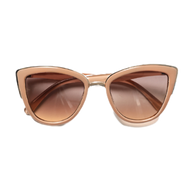
Due to its climate and variety of terrains, there are a few things that you need to consider when packing for Brazil. This includes light clothing and protective accessories such as glasses and hats.
Below you can find all of my travel essentials (pretty much everything I use for my trips), suggested outfits and even a packing checklist to help you remember everything you need
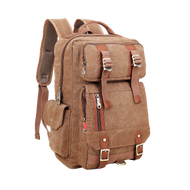
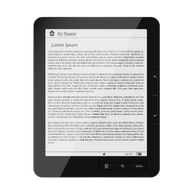

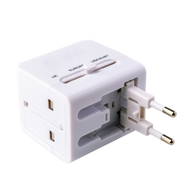



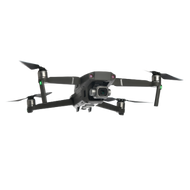


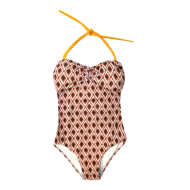
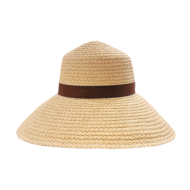
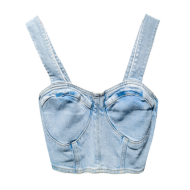
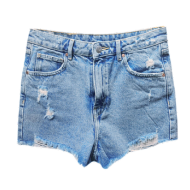
Electronics
▇ Watch
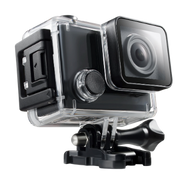
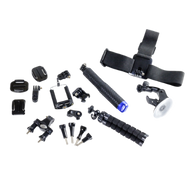
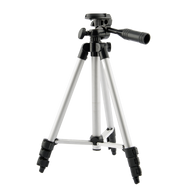
▇ Cameras (mirrorless, DSLR, action camera, 360, Polaroid…)
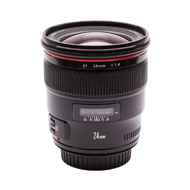
▇ Camera lens (portrait, wide lens, zoom…)
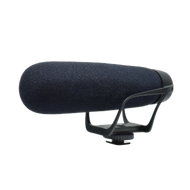
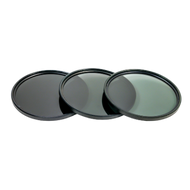
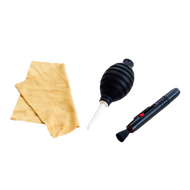
▇ Camera accessories (cleaning kit, batteries, extra lens caps, memory cards, filters…)
▇ Drone
▇ Drone accessories (extra propellers, lipo bag, batteries, filters…)
▇ Earphones / Headphones
Toiletries
▇ Toothbrush, toothpaste and dental floss
▇ Hairdryer / Hairstraightner / Curling iron
▇ Nail clipper and Tweezer
▇ Headbands / Hair ties / Hair clips
▇ Shaving utensils (razors, brush, epilator/electric shaver…)
▇ Travel-sized shower products (shower gel, shampoo, conditioner, hair mask…)
▇ Travel-sized hygiene, self-care and beauty products (travel bottles set, cotton buds, hand sanitizer, deodorant, perfume, sunscreen, lip balm, makeup and makeup remover, hair styling products, hair oil, shaving cream and aftershave, nail polish, nail polish remover and pads, moisturizer…)
▇ Contact lenses (Case / Solution)
▇ Feminine hygiene products (panty liners, pads, tampons, menstrual cup, intimate wipes…)
▇ Mirror
▇ Towels (beach towel, microfiber towel…)
Documentation
▇ Wallet (Debit and Credit Cards / Cash)
▇ Passport / Visa / ID Card / Driver’s Licence
▇ Boarding Pass / Tickets and Reservation Confirmations
▇ Vaccination Documentation
▇ Medical Prescriptions
▇ Travel Insurance / Medical Card
▇ Drone Documentation
Miscellaneous
▇ Umbrella
▇ Keys / Luggage lock
▇ Earplugs / Travel pillow / Sleep mask
▇ Book / Kindle / Travel games
▇ Guidebook / Itinerary / Map / Agenda / Notepad
▇ Workout equipment (resistance bands, suspension trainer…)
▇ Vitamins, Medication and Contraception
▇ First aid kit (regular and blister pads, wound spray, pain killers, bandages…)
▇ Snacks
▇ Hiking / Camping gear (hydration pack, tent, sleeping bag, mattress, cooking utensils, flashlight, binoculars, insect repellent…)
Plan your trip to Brazil
A page with everything you need to plan a smooth and safe trip




0
