


The Blog
I started blogging back in 2005, writing about my family drama and teenage heartbreaks at 12 years old – you could say that writing things for strangers online was my therapy. I enjoyed writing, and it became an escape from reality and a way to process my emotions until 2013, when I left the country for the first time to study abroad.
After my Erasmus in Poland, I realised I was very good at researching places to visit in a particular area, budgeting, and planning trips. The Word document I created while in Poland ended up being praised and highly requested by people who knew me and wanted to visit the country – including my Polish friends!
Once I moved to London and went back to traveling, I continued planning my trips with highly detailed spreadsheets, which became better over time, and started receiving more attention from those around me.
I would often end up sharing my travel planners and maps with friends who wanted to do the same trip, and I started being encouraged to share my itineraries online.
As a result,
in 2017, I decided to transform my old personal blog full of emotional trauma and cringe confessions, into a more useful platform – a travel blog.
At first, I just wanted to give tips on what to do and visit in locations I was going to, share my experiences after I travelled there, and showcase amazing pictures from amazing places.
Soon, I started to realise I did not want to be the typical travel blogger who travels to trendy places, stays at luxury resorts, and inspires you to live a life you might never be able to afford. I wanted to motivate people to travel the world, regardless of their income, gender, religion, or ethnicity, giving everyone the tools to see the world out there.
I also wanted to show people that there is so much more to this world than Bali and Rome, and there’s more to a country than capitals and Instagrammable cities. And so, I started traveling to
lesser-known destinations, hoping to motivate others to do the same.
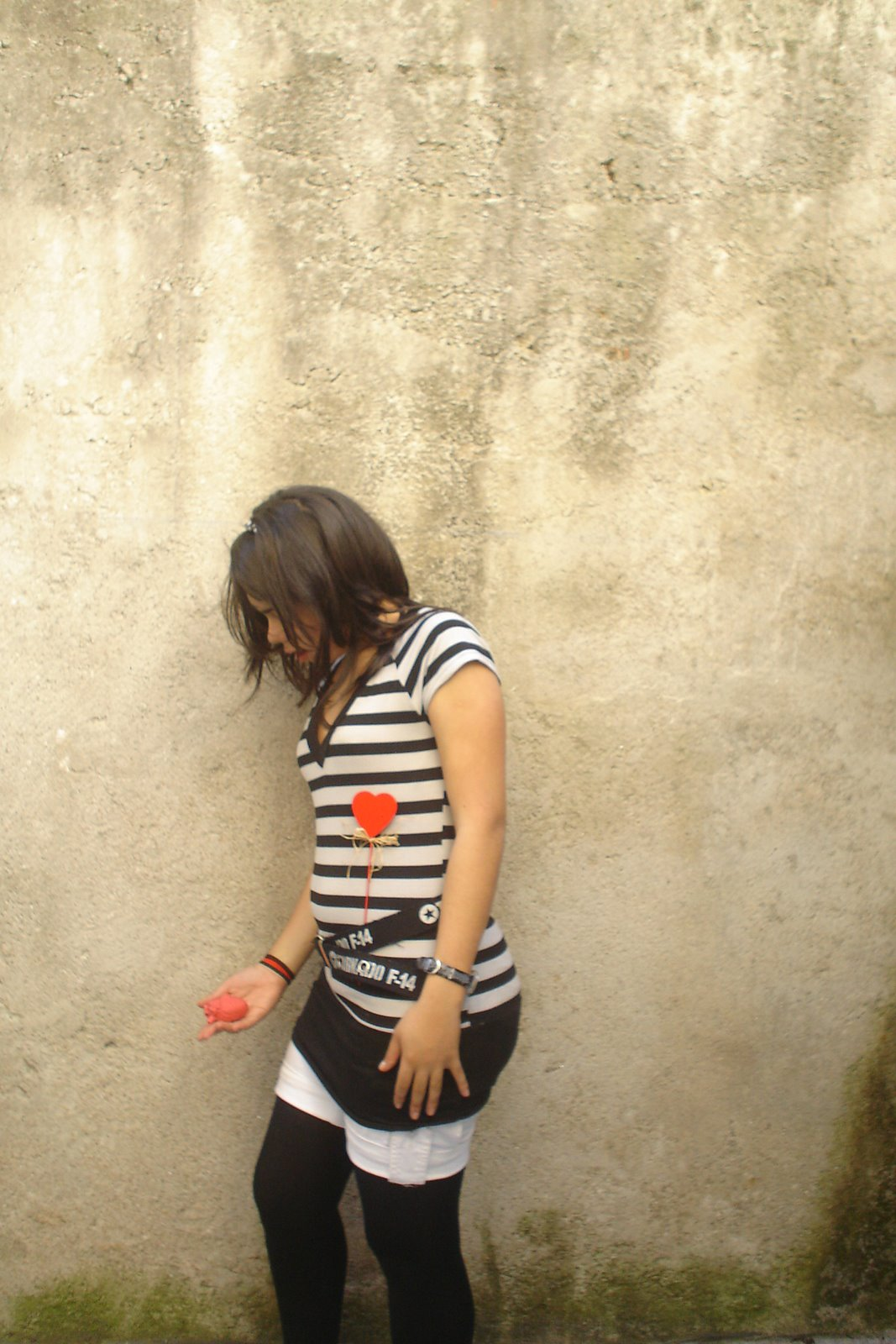
Yes, I had an emo phase

My mission
In a nutshell: I often stay at locals’ houses or family-owned stays instead of fancy hotels. I travel to unknown/underrated destinations and explore off the beaten path locations in popular countries. I promote a budget-friendly, responsible travel lifestyle and encourage people to be open-minded and kind towards other cultures.
Promoting a realistic and affordable travel lifestyle
Let’s face it: not everyone can afford to travel frequently, and generally people don’t have enough days off a year to spend months away from their city. Most people are not self-employed, do not earn much, and have plenty of responsibilities that limit their ability to travel. I want to promote a lifestyle people can actually achieve.
As a travel blogger, it’s easy to stay at luxurious hotels and tell people they should do the same. Many even make you feel like you’re missing out by not being able to quit your job and travel the world full-time. But the reality is, most of us will never do that. As someone with a very busy full-time job (I’m a Personal Trainer), I won’t be quitting my job to travel the world, but I do manage to plan my holidays around work so I still get to travel as much as possible.
My mission is to provide my audience with enough tools and information so they can travel regardless of what they do and who they are – traveling with family, friends, or even solo; with plenty to spend or on a budget; with limited time off or working remotely. Where there is a will, there’s a way.
Inspiring you to explore underrated destinations
In the last decades, tourism has increased massively in some areas of our planet, mostly due to social media. This new wave of mass tourism has brought a lot of concerns regarding sustainability, leading to overcrowded, noisy, packed, and often dirty tourist spots where prices skyrocket, creating overpriced hotels, restaurants, and attractions, and often forcing locals out of their hometowns as they become unaffordable.
On top of that, some of these places do not have the capacity to receive such a high number of visitors and, if not properly managed, they might cease to exist in a few years’ time. A good example of this is Maya Bay in Thailand, which was forced to close to tourism due to the number of people visiting the beach daily, stepping on the corals, and destroying the ecosystem.
These popular destinations become a tourist magnet, attracting thousands of people from all around the world who are chasing the perfect photo in the perfect location. Traveling became more of a show instead of a relaxing and cultural experience – you stay at high-priced hotels with jaw-dropping views and dine at Instagrammable restaurants, and slowly, the heart of traveling – meeting and experiencing other cultures – starts to fade away.
So, how can we experience authentic travel and have real connections to locals? And how can we fix mass tourism?
People tend to travel to the same places as everyone else because those are the places they know about. They heard about it, read about it, and saw multiple pictures of people relaxing or posing for a social media post, creating the idea of a perfect vacation. It looks safe, desirable, and picture-perfect.
By exploring less popular areas, I will be able to bring a different perspective on countries or cities you might have never heard about, and provide all of the useful information you need to travel there by yourself: is it safe? how expensive is it? how accessible is it? and what should you expect from it?
Most of the time, these will be locations where you will truly connect with locals and their culture, fully embrace their traditions and experience a much more authentic and unique travel lifestyle. You will break through stigmas and realise what the media feeds us is often very different from reality.
It will change your perspective on the world, and make you rethink what true traveling actually is – you will stop being a tourist, and become a curious, open-minded and intentional traveler, living in the moment, instead of chasing popular tourist spots for internet clout.
When travelling to more popular destinations, my goal is to show what else the area has to offer beyond the mainstream attractions. I want to bring a different perspective and show the true potential of each place in this world.
And by no means am I implying that popular tourist destinations have no beauty and that you should never visit them. At the end of the day, everyone likes to travel differently. That being said, I focus on off the beaten path and authentic, sustainable travel, which you won’t get by constantly chasing the new travel trends.