Things you should know before starting a travel blog
You might have been thinking about turning your passion into a side hustle, and Blogging is definitely a possible solution. I mean, it seems like an easy, low-risk job that you can do while keeping your full-time job. And while that is true, there is a reason why not every traveller is a travel blogger.
In this post, I am going to cover the things you should know before starting a travel blog, from the most obvious to the less obvious.
Disclaimer: this post may contain affiliate links, meaning I will get a commission if you make a purchase through these links, at no extra cost to you. This allows me to receive compensation for the time and effort invested in creating the best content for you. Thank you for your support!
It's not too late to start
While it is true that there is a lot of information out there available, and it will be very difficult to write about something that has never been written before, there’s still a place for you on the Internet. If you think about it, when you do a proper research on something, you rarely read only one website, so even though various websites are talking about the same thing, some of these make it to the top, and they end up getting views (even if they are not the first on top of Google search!).
With time, good writing, and consistency, you will start ranking higher in search, and people will start noticing you. You will attract more and more viewers and actually build an audience, as long as you put in the work.
And for those who think Blogging is dead, think about the number of pages you read online whenever you look for a certain solution – chances are, most of them are blog posts.
Your blogging platform can limit your success
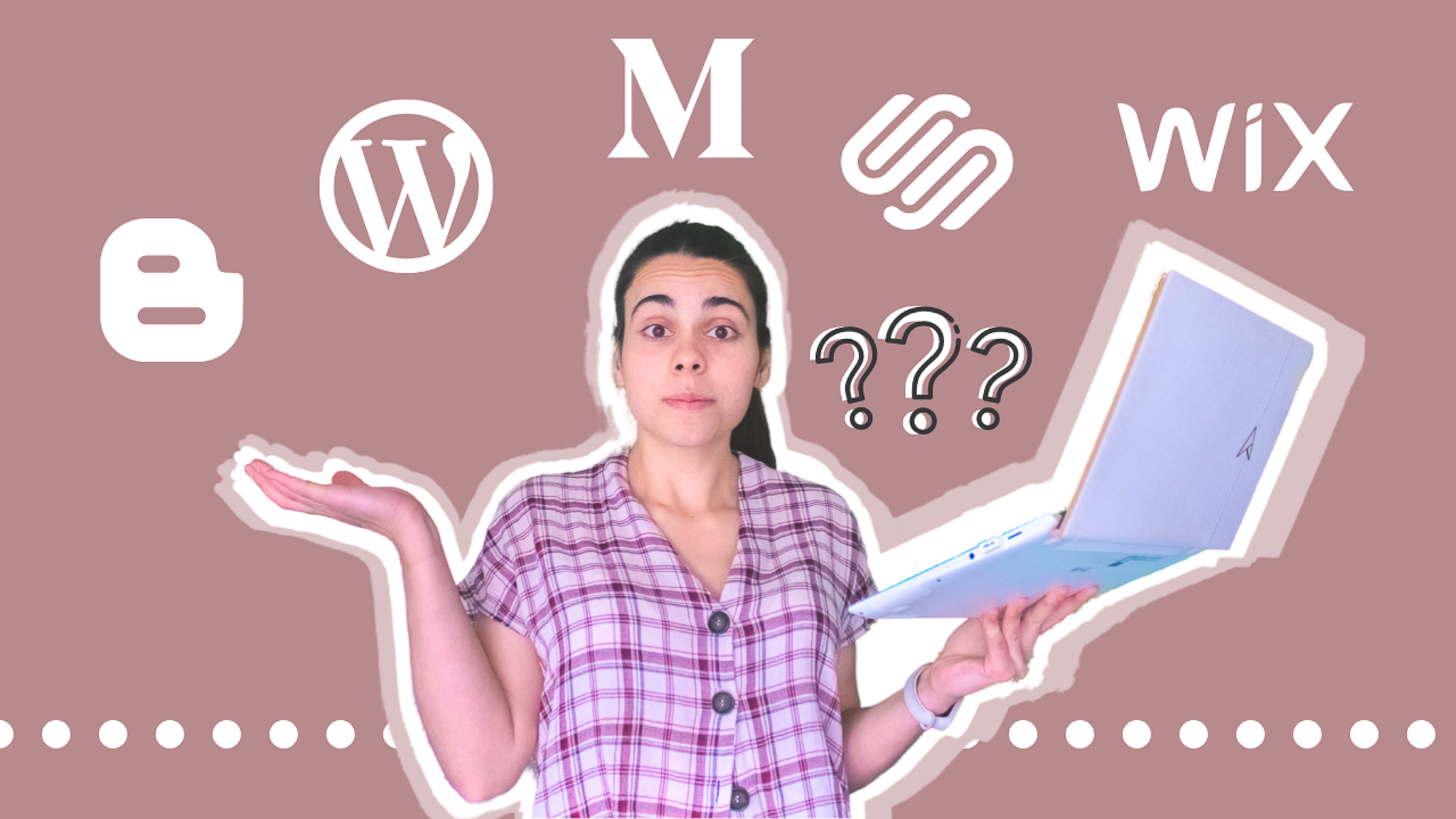
Make sure you do a proper research on the pros and cons of any platform you might be thinking of using, so that you don’t invest your time and money on a platform that you will regret later on.
If you’re having trouble deciding which platform you should use for your travel blog, I wrote a comprehensive list of their pros and cons to help you make the best decision possible.
And so can your domain
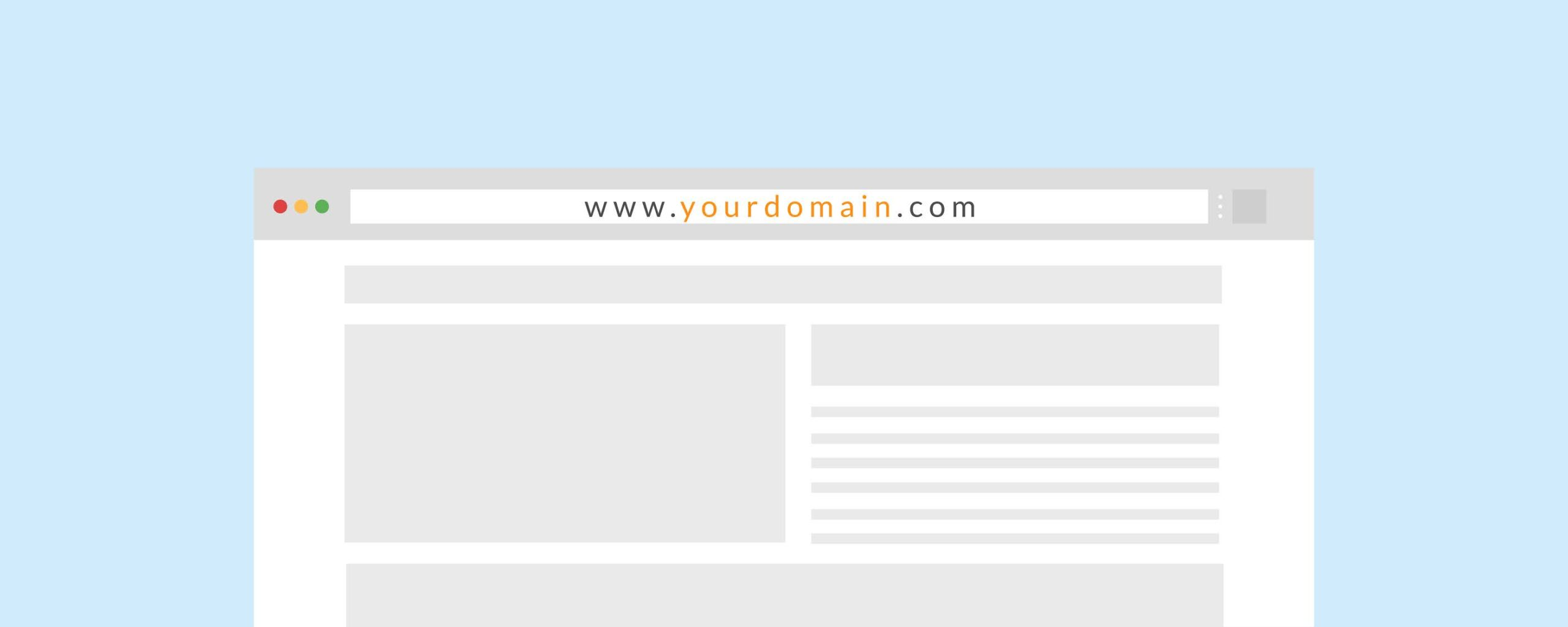
Your domain (your site address – for example, www.ihaveatravelblog.com) should be meaningful and represent what your blog is going to be about.
If you’re planning on starting a blog, you will have to think about what you want your domain name to be.
So here are some of the dos and don’ts when it comes to creating your domain name:
- Do create a domain that gives an idea of what your blog is about. You can’t have a travel blog and name it “techsavy” – it just won’t make any sense. When someone reads your domain, they should be able to tell what your blog is going to be about
- Do not create a domain that looks similar to another already well-established travel blogger. Yes, I know it’s difficult to be creative and original when there are so many travel bloggers out there, but trust me, the last thing you want to do is look like a copycat of someone else. When you have an extremely similar domain, people can forget yours because it is so similar to the popular one, they can think that they got your domain wrong, and you’re actually the popular blogger that they see ranking top on Google search, or even worse, not give you any credit for thinking that you are basically copying someone else’s idea. An example of this is creating a domain named “nomadicmatthew“, when you’re fully aware that there is a well-established blog named “www.nomadicmatt.com“
- Avoid using words that are constantly used in the travel industry as domains. Nomad, adventure, wanderlust, travel, those are all words we have seen being used over and over again on different travel blogs, and it gets difficult to stand out with them when everyone else is using it. Try using words that still represent travel, yet are quite unique
- Do not create a long domain name. No one will remember your domain if you name it “theportuguesegirlthatlovestotravel“. On the contrary, something like “aportugueseabroad” would be a lot easier to remember
- Be careful with the extension you choose. We all agree that “.com” is a lot easier to remember than “.net“, even though both are viable options. In most cases, “.com” is a better choice, except if you’re creating content about a certain country and you aim to target people from that same region, then you might want to use the extension related to that exact country.
- Avoid using hyphens as much as possible. Imagine having to explain the domain “my-travel-adventures” to someone. Not only will it be confusing, and people might even get it wrong, but it will be a pain in the *** to say it. Every single time.
- Do not create a domain that might be embarrassing for you in the future. This is one that people don’t often think about, especially when they’re young and start blogging for fun. You never know if in a few years you will want to turn this into a full-time job. And if you do, you will be hardly taken seriously if your domain is something like “cutieblondietrips“. Imagine pitching yourself to get a brand sponsorship (serious business!), but then this is your domain name…
- Do not create a domain that will restrict your time or location. When thinking about your domain name, you should think long-term. So, for example, let’s say you’re going to do a trip around South America for a year and you want to blog about that, if your domain name is “ayeararoundsouthamerica”, your blogging career will be over once you finish the adventure and all your content around it. Not only that, you will be restricted to only write about South America. Likewise, “imovedtolondon” and “atravelerinhertwenties” will not be applicable anymore if I, for some reason, need to move away from London (not to mention that my content will be restricted to London mostly), or when I grow older than 29 years old, which, let’s face it, it’s going to happen quite quickly!
- Do create a time-proof, long-lasting domain name. When considering your domain name, think about where you want your blog to go. Do you think you will get tired of writing about a certain topic? Do you want to sell your blog one day? Do you want to drastically change what you do? Consider all of these possibilities, and avoid domains that won’t allow you to do such changes in the future.
If you get your domain wrong and you will be forced to change it in the future, you will be hurting your blog SEO, and it will be tough to go through all of the changes. Trust me, you don’t want to do that.
You will have to niche down

The days when you could just be a general travel blogger are pretty much gone. With so many travel blogs out there, you have to specialize in something if you want to stand out. The travel industry has many different niches: camping, hiking, adventure, budget travel, luxury travel, specific cities and countries, tropical locations, countryside, you name it.
Find something that you are truly passionate about and focus your writing around it.
You will have to be different
And since we’re talking about specializing to stand out, you should also consider being different. It’s easy to fall into the trap of doing whatever other people are doing. If you don’t know what I mean, just think about it:
- How many travel bloggers have you seen visiting Algeria, Cameroon, Ecuador, South Korea or North Macedonia? And what about Indonesia, Philippines, Italy or French Polynesia?
- How many travel bloggers do you know who pay for their own trips and stay at hotels and Airbnbs from their own pocket? What about bloggers who go on press trips and stay at luxury hotels for free?
- How many travel bloggers do you know that do Couchsurfing, housesitting, volunteering, or occasional work in wildlife conservation?
It’s not just about having a different niche, it’s about actually BEING different. Having a different story, a different reason for blogging, sharing different information that your readers won’t find anywhere else.
It's going to take years to become successful

This is the sad reality, and there is no other way around it. You’re going to have to work very hard, spend a lot of time writing on your laptop, only to see the reward months or years later.
Blogging isn’t something that brings income right away. It can take months before you start earning a penny, and years before you can completely live off of it.
While there are many bloggers out there, the majority don’t take their blogs seriously (just like I did on my first year), or end up giving up after a while, when they realize how time consuming it is to run a blog, and how long it takes to actually monetise it.
And you will be spending more time in front of your laptop than exploring the world
While you will be writing about traveling and creating guides, you will surely spend more time building this business than actually exploring and traveling the world. And the sooner you realize that, the better, because there’s nothing worse than starting a dream job to realize it wasn’t what we thought it was.
Don’t get me wrong, earning a living off traveling is amazing, and if you truly love it, you will be happy to do it as your job, but it’s not just staying in fancy hotels and traveling for free – that will just be a small portion of the work.
You will not always travel for free
People often think travel blogging means free trips, but don’t be fooled: you will often be paying out of your own pocket so that you can visit locations you’re passionate about and would love to blog about! And to be fair, that’s probably for the best.
Readers get tired of reading sponsored posts and press trips because at the end of the day, they would rather read the opinion of someone who chose a certain hotel because they liked it (and not because they got sponsored by it) and a certain trip they did spontaneously without being invited. It just feels authentic.
You will have to reach out to brands

And since we’re talking about sponsorships, I think we often have this idea that brands will reach out to us when we have a big enough audience, and we miss many collaboration opportunities early on our blogging journey because of this limiting belief.
While some big brands might not be looking to collaborate with smaller bloggers, there are always other hotels / travel agencies / airlines that would love to collaborate with you, but because you’re still small and they don’t know about you, you will miss out on that opportunity.
You will have to contact plenty of companies and pitch yourself plenty of times to get recognised and get collaborations and sponsorships that will not only give you free stuff (or even better, pay for your services!) but will also set you on the right path to success with future collaborations. Having experience with working with other companies is a big plus when a specific brand is going over your blog, and knowing what to expect from certain press trips will also help you say “no” in the future if such trip doesn’t fit your audience and needs.
People will have no idea of what you really do
This is going to be the last one on the list of things you should know before starting a travel blog, because it summarizes your interactions with fellow strangers (and sometimes even acquaintances) for the rest of your life, as long as you work as a Travel Blogger. They will either:
- ask the usual question “ahhhhh… but, how do you make money with it?” or
- think that all you do is write guides on a luxury hotel pool while you drink an expensive cocktail.
Eventually, you will get used to answering the popular questions and to just accept the fact that many people have no clue of the amount of hours and work that goes into Travel Blogging. At some point, you will probably stop trying to explain that and will just giggle whenever someone says that you’re living the life. Which, you are…
I hope this post on things you should know before starting a travel blog was useful to you, and that it helped you decide to just start. I have written a complete guide to start a successful travel blog, so make sure to read that next.
📍 Did you like this post? Pin it for later